Classic Body Type
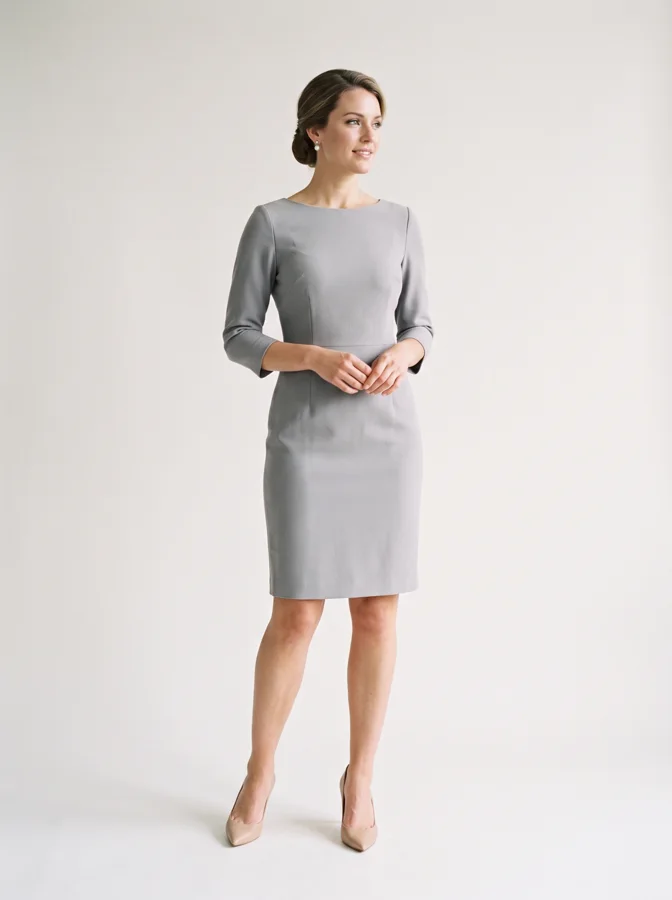
Classic family · True Yin/Yang balance
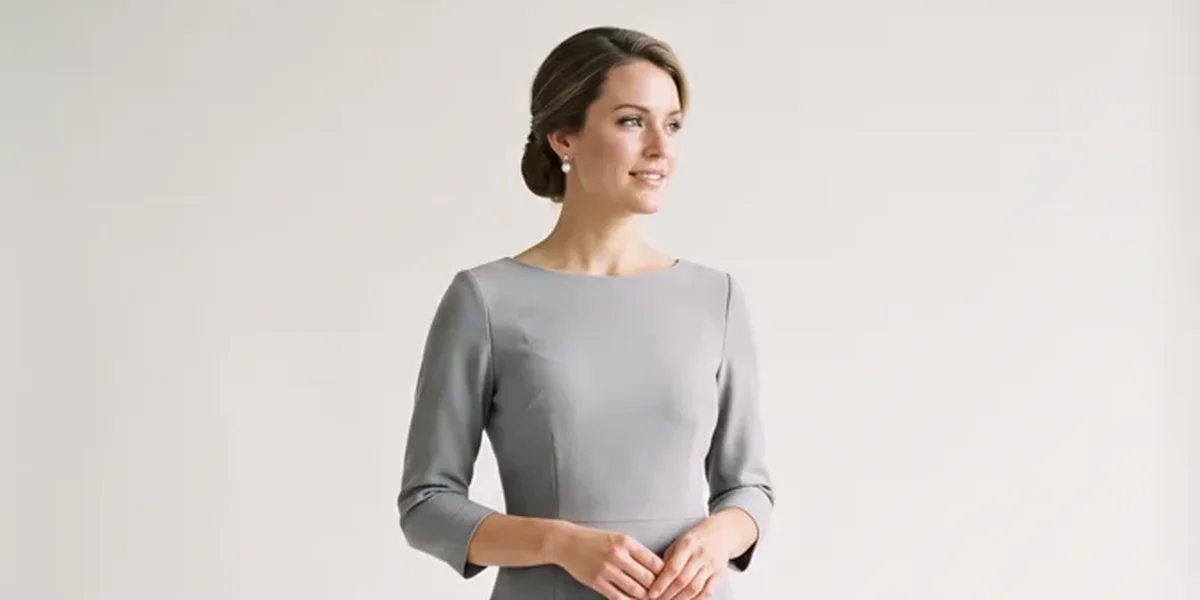
Kibbe named this line the Sophisticated Lady, and it reads less like a nickname than a job description. Classic sits at the exact center of the Yin/Yang scale — not a blend of two extremes, but a genuine balance, the calibration point the rest of the system gets measured against. Nothing about you shouts. Everything about you reads as considered, assembled, quietly in charge of the room.
Not sure this is you? Take the quiz — 16 questions, real scoring, no email wall.
The Classic line
Picture moderate height, usually somewhere between 5’4″ and 5’7″, carried on a frame where no single part outweighs another — bust, waist, and hips sit in close, even proportion, with lean, slightly sinewy muscle rather than anything soft or built. Limbs run moderate to just slightly long, hands and feet in scale with everything else. The skeleton has the faintest architecture to it: a touch of sharpness at the edges, shoulders that taper rather than square off, though never in the angular way a more dramatic line would show it. Your face follows the same logic — features chiseled but even, spaced with real symmetry, moderate in size rather than oversized or delicate. Hair runs smooth and consistent in texture, whether it’s straight, wavy, or a light curl, usually moderate in thickness. Coloring can land almost anywhere, but Classics tend toward the blended, lower-contrast end of the spectrum — vivid or high-contrast coloring shows up here far less often than on other lines. Add weight and the symmetry holds its shape; it settles evenly rather than reworking your outline.
How to know it’s you
- People call you “put together” without being able to say exactly why — nothing about you reads as overstated.
- Your proportions land in the moderate range across the board: no extreme height, no oversized hands, feet, or bone structure.
- Friends treat you as the level-headed one of the group, the person who moderates rather than escalates.
- Your features are even and symmetrical rather than unusual or exotic — no one’s ever called your face striking in an offbeat way.
- You like order, continuity, and things staying where you put them — not rigidity, just a preference for things being settled.
- A dramatic hourglass has never quite been your shape; your curves run moderate rather than pronounced.
What a Classic is not
- Extremely tall.
- A large, heavy bone structure, or oversized hands and feet.
- Prominent, exotic, or unusual facial features.
- Extremely petite with fragile, delicate features.
- A pronounced hourglass figure.
- Full, lush features — wide rounded eyes, full lips, soft round cheeks.
Your famous company
Grace Kelly is the reference point — even, chiseled features set with the kind of symmetry the whole type is built around, held with a calm that never tips into anything showier. Catherine Deneuve and Isabelle Huppert share that same balanced bone structure and blended, low-contrast coloring, feature for feature. Lee Remick and Diane Sawyer show the identical moderate scale at work — nothing oversized, nothing delicate, just symmetry sitting at a comfortable middle register. Cybill Shepherd and Ginger Rogers round out the group, each one proof that this even, quietly composed line reads the same way regardless of the era around it.
Build your look
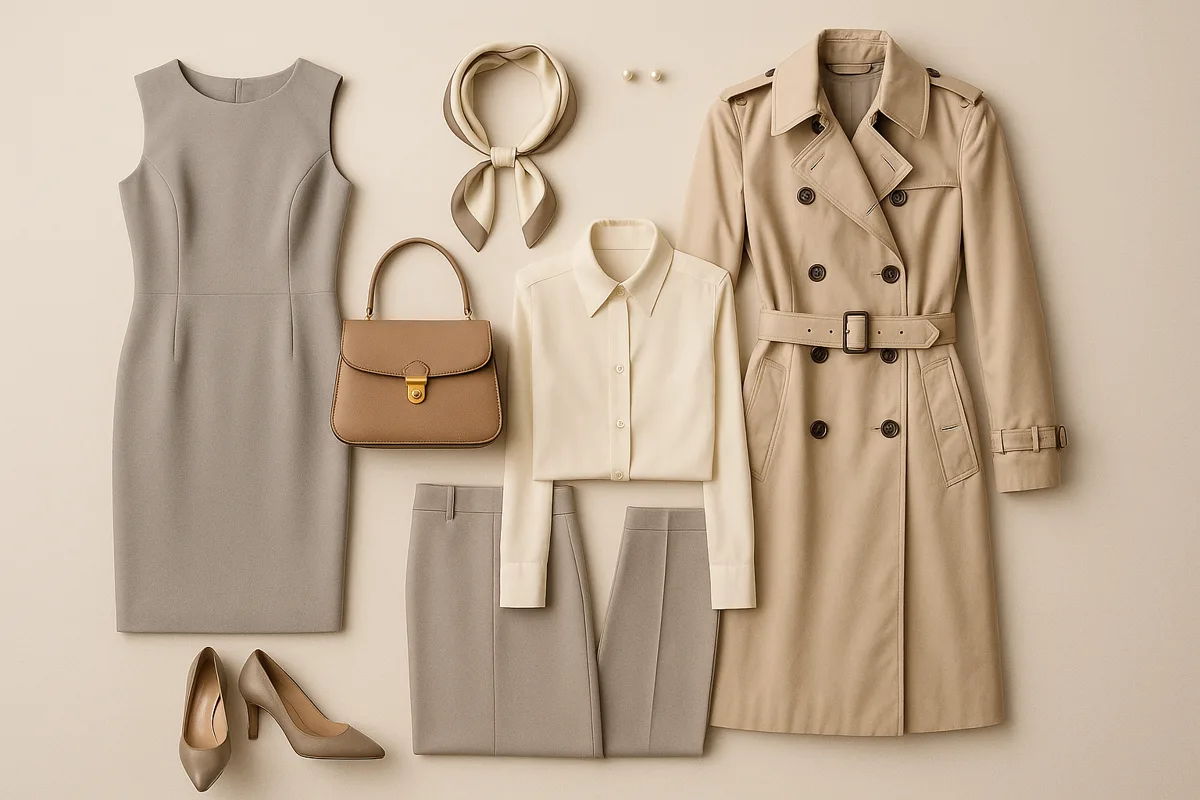 WardrobeLines, fabrics, every piece
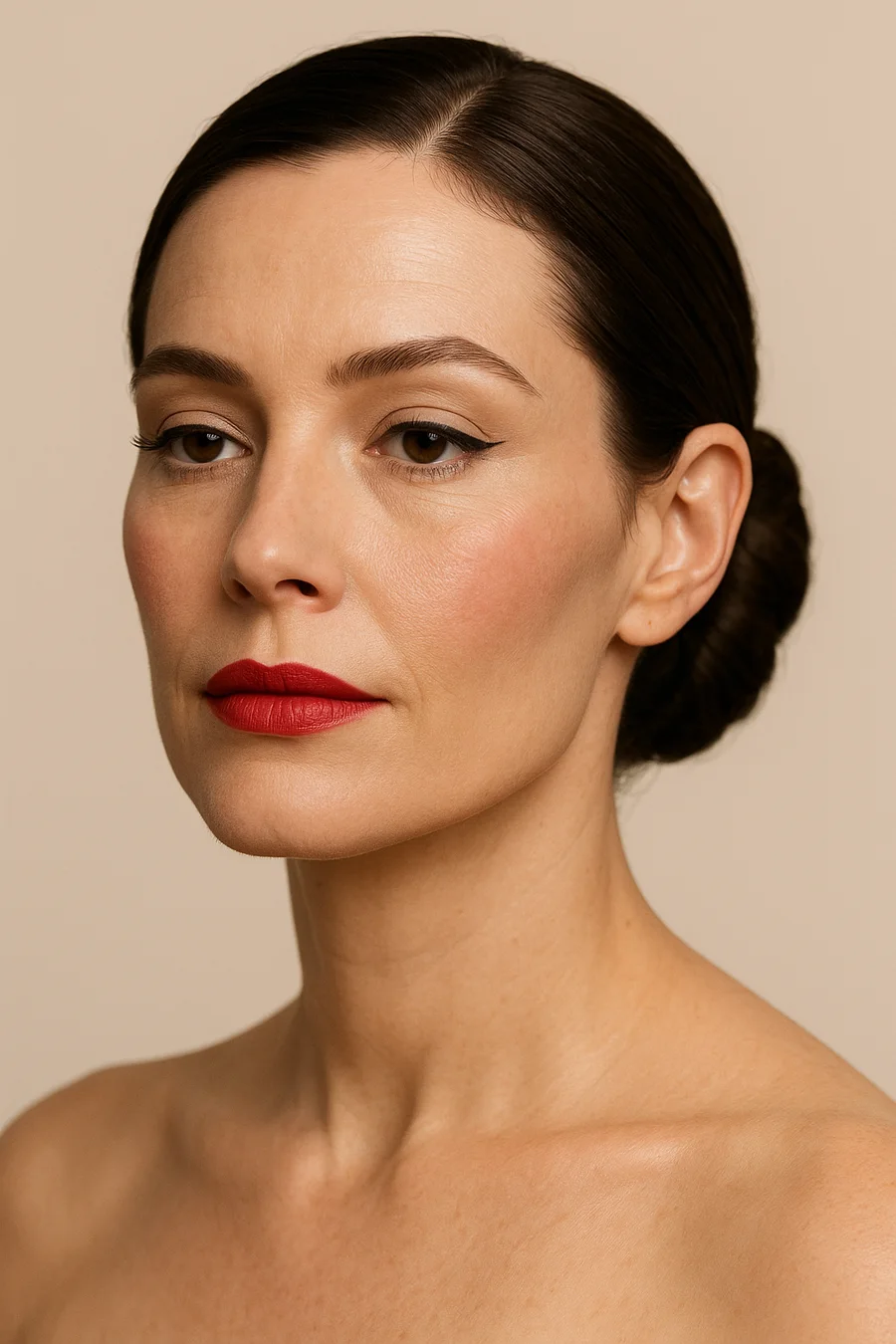 MakeupYour face concept + colors
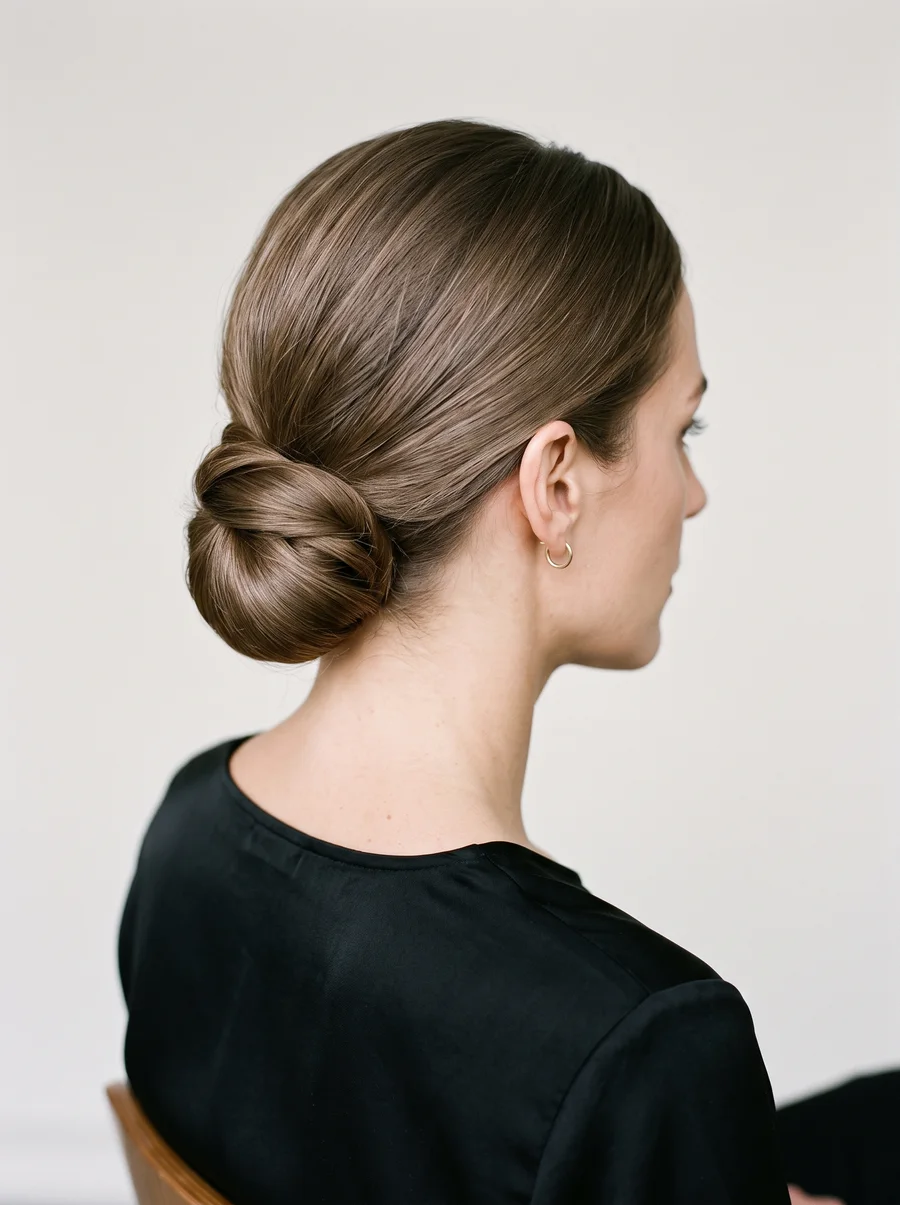 Hair & ColorCut, color, palette
 What to avoidAnd what to wear instead
Often confused with
Classic gets mixed up with two neighboring types, for two different reasons. Next to Natural, the question is bone: Classic runs narrower and more symmetrical, while Natural carries broader, slightly irregular bone structure and more muscular build. Next to Dramatic Classic, the question is edge: Dramatic Classic sharpens that same symmetrical frame with slightly squarer shoulders, jawline, hands, and feet, where Classic stays narrower and more evenly balanced throughout. See Classic vs Natural and Dramatic Classic vs Classic for the full breakdown.
Unofficial guide inspired by the Image Identity system in David Kibbe’s Metamorphosis (1987). Body types describe line, not worth — every type is the goal, not a consolation prize.