Yin and Yang: The Idea Behind Kibbe Body Types
The system · Yin and Yang
Every type on this site sits somewhere on one continuous scale, running from extreme Yang at one end to extreme Yin at the other. It’s not a binary and it’s not a personality test — it’s a way of describing physical line, and it’s the single idea every hub, wardrobe guide, and comparison page on this site is built from.
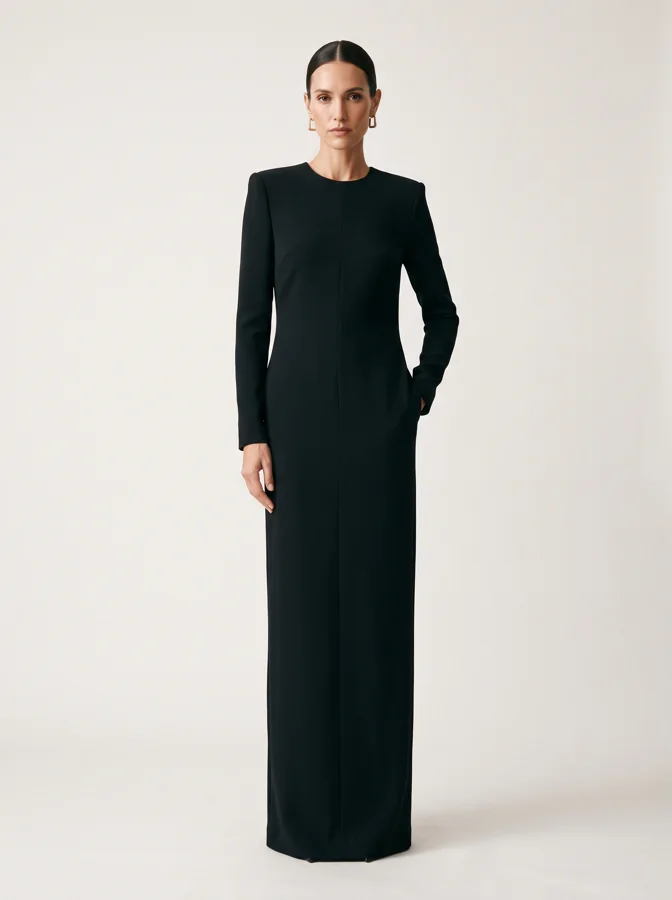
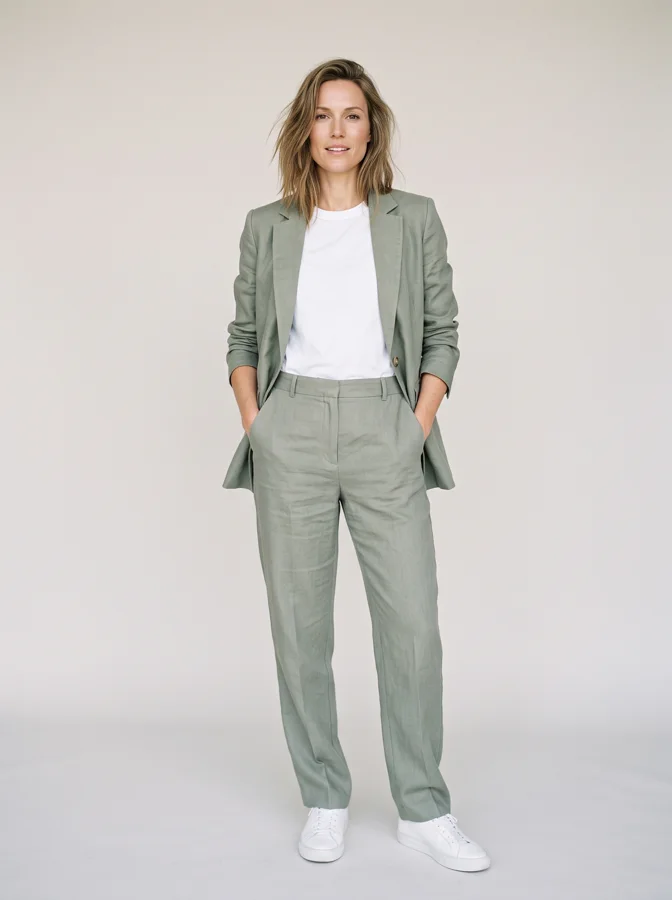
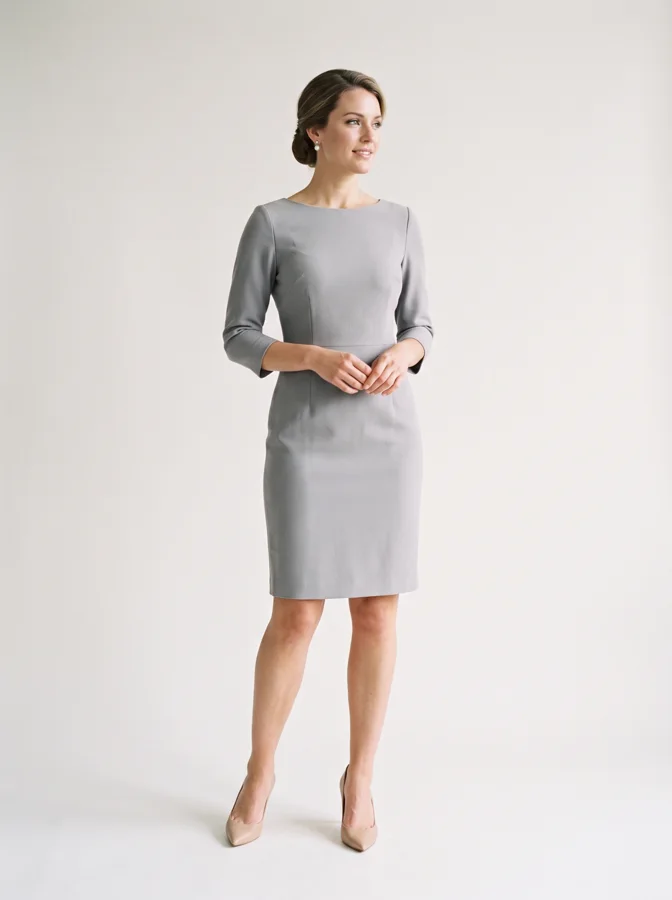
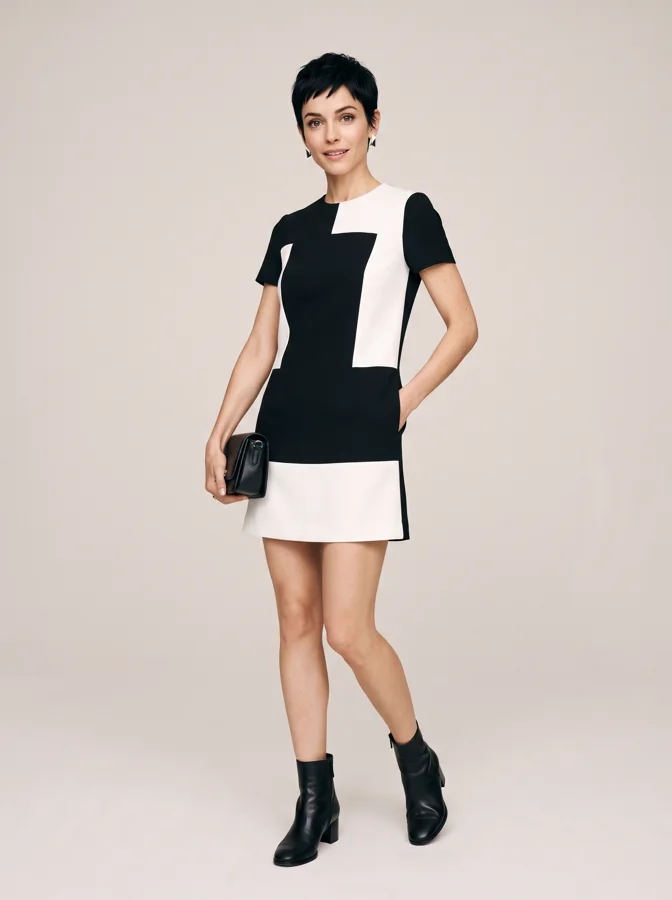
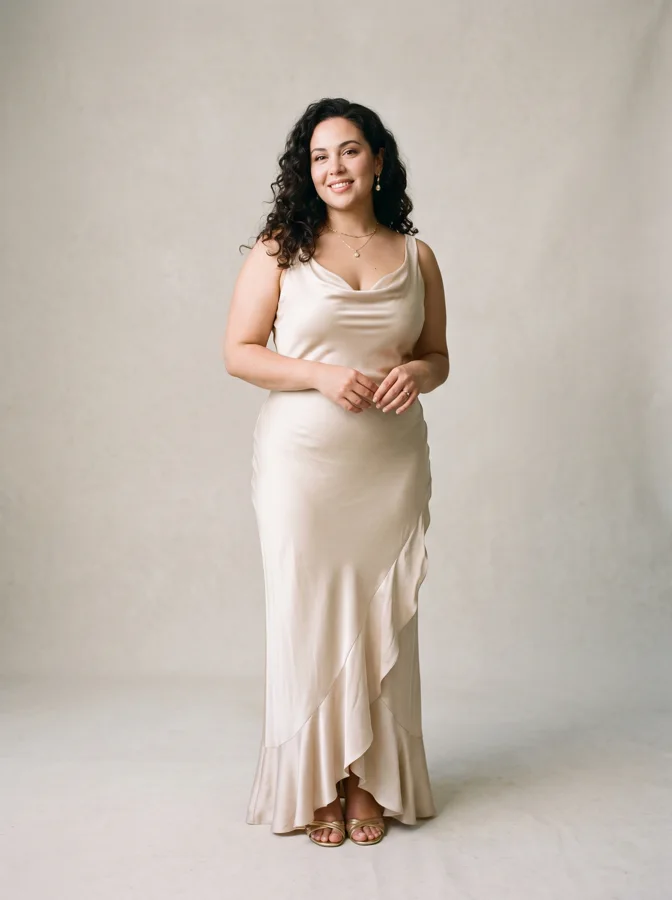
The two ends of the scale
Yang describes the sharp, structured, assertive end: long bones, square shoulders, prominent cheekbones, a straight jaw, a body that reads angular even at rest. Yin describes the opposite pole: rounded, soft, delicate — sloped shoulders, a curved hourglass shape, large soft eyes, a body that reads yielding rather than architectural. Almost nobody sits at a pure extreme. Most bodies carry a mix, and the whole point of the quiz is finding exactly where yours actually falls, not forcing you toward one pole or the other.
This isn’t only about size or weight. A tall woman can be built softly; a petite woman can be built sharply. Yin and Yang describe the shape of the bones and the quality of the features — sharp versus rounded, elongated versus compact, distinct coloring versus blended coloring — not how much space someone takes up in a room.
Five positions, thirteen results
The five root families sit at recognizable points along that line. Dramatic sits at the far Yang end: the sharpest, most angular reading the scale allows. Romantic sits at the far Yin end: the softest, curviest, most rounded reading. Classic sits at dead center, a genuine balance rather than a blend of extremes. Natural sits between Classic and Dramatic — angular, but with blunt rather than sharp edges. Gamine is the odd one out: instead of occupying a single point, it’s built from both extremes at once, pairing a petite, softly featured face with a straight, narrow, sharp-boned frame.
The other eight types are what happens when a root theme picks up a secondary undercurrent from the opposite side of the scale — in small amounts, and only ever as an addition. Soft Dramatic is a Dramatic body carrying a fleshier, more sensual undertone. Theatrical Romantic is a Romantic body carrying a touch of sharper structure. Soft Natural, Soft Classic, Soft Gamine, Flamboyant Natural, Flamboyant Gamine, and Dramatic Classic all work the same way: one dominant theme, one supporting note borrowed from further along the scale.
Balance, not symmetry
The goal here was never to make everyone look alike. Balance means working with whatever your own bone structure and features already give you — leaning into a sharp jaw rather than trying to blur it, letting a soft, curved body read as soft rather than tailoring it into a shape it isn’t. Symmetry, in the sense most style advice actually means it, is a different goal entirely: an attempt to camouflage a nose, “correct” a jawline, or soften a feature into some generic, evened-out middle. That approach produces a look that could belong to almost anyone. Working with your actual balance produces one that couldn’t belong to anyone else.
In practice this means accentuating rather than disguising. A sharp collarbone gets a clean, structured neckline instead of a ruffle meant to hide it. A soft, rounded shoulder gets a draped, flowing sleeve instead of a rigid, padded one built for someone else’s frame. Neither approach is about looking bigger, smaller, older, or younger — it’s about reading as unmistakably yourself.
One language, never mixed
Every element of a look — clothing line, fabric, jewelry, hair shape, makeup finish — speaks the same Yin or Yang vocabulary once your balance is set. A sharply Yang wardrobe doesn’t borrow a soft ruffle to seem more approachable, and a softly Yin wardrobe doesn’t borrow a geometric edge to seem more serious for a formal setting. When a situation calls for something a type doesn’t naturally offer — a boardroom, a black-tie dinner — the answer is to translate that occasion into your own theme’s language rather than reach for the other side of the scale. A boardroom look for a Yang type still runs sharp and structured; a boardroom look for a Yin type still runs soft and curved. The occasion changes the formality. It never changes the theme.
Find your place on the scale. Take the quiz — 16 questions, real scoring, no email wall.
Ready to read the type profiles themselves? Start at the 13 body types.
Unofficial guide inspired by the Image Identity system in David Kibbe’s Metamorphosis (1987). Body types describe line, not worth — every type is the goal, not a consolation prize.