What Classics Should Never Wear (and What to Wear Instead)
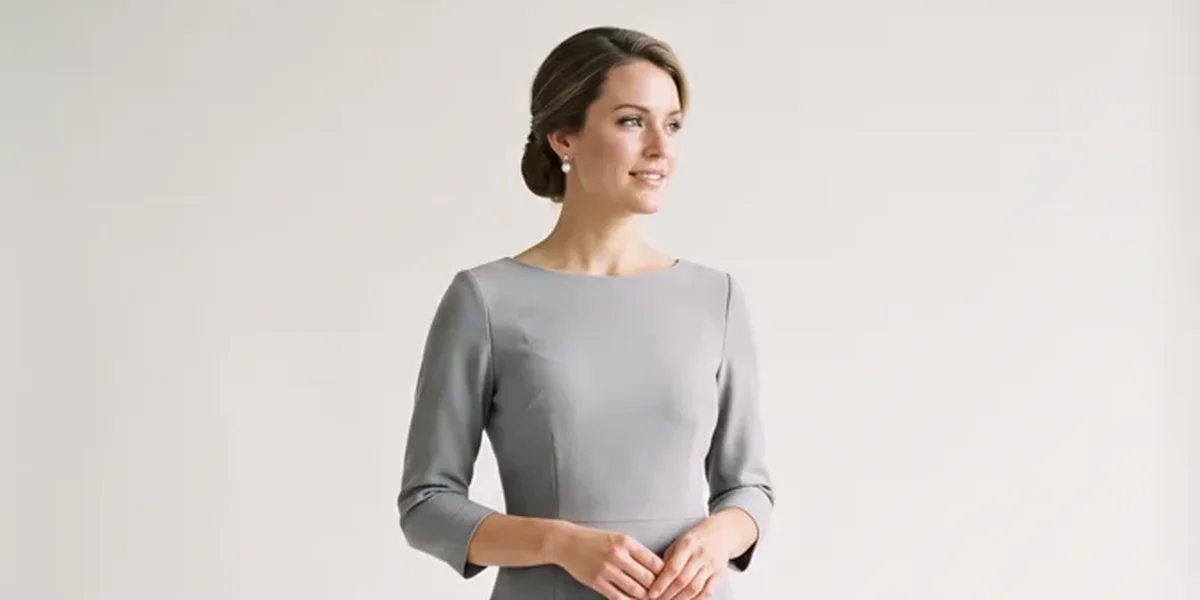
Classic family · What to avoid
Classic sits at the center of the scale, and nearly every item below fails for the same reason: it reaches too far toward one extreme or the other. Too sharp, too ornate, too shapeless, too bare — any of those pulls attention away from the even, blended line that’s your actual strength, which is exactly why moderation reads as elegance on you rather than as playing it safe.
Sharp, severe, or overly angular
A hard edge anywhere — in a shape, a detail, a print, or a haircut — reads as more severe than commanding on a Classic frame. Your line wants definition without any of the harshness.
- Extreme geometric shapes; overly sharp silhouettes or detail.
- Sharply tailored dresses; extreme man-tailored pants with deep pleats and cuffs.
- Extremely severe or angular jewelry; sharp, angular geometric prints.
- Severely cut hair with no softness to the edges.
- Soft, symmetrical shapes with gently tailored edges.
- Softly tailored, slim dresses; clean pants with a plain or simply pleated front.
- Small, elegant, symmetrical jewelry; understated symmetrical prints.
- Smooth, blunt-edged hair with a controlled finish.
Ornate, fussy, or overdone
Intricate, decorative, or “cute” detail fights the calm the Classic line depends on — the more a piece calls attention to itself, the less balanced the whole outfit reads.
- Extremely ornate shapes and overly ornate or fussy trim; animated, “cutesy” detail.
- Overdetailed skirts (extra pockets, gathers, trim); ornate, splashy watercolor, or animated prints.
- Overly ornate belts, hats, or bags; extremely ornate, intricate, or “funky” costume jewelry.
- An overly ornate, elaborately built makeup look.
- Clean, minimal trim that finishes a piece rather than decorating it.
- Symmetrical, understated prints — pin dots, checks, blended plaids, herringbones.
- Elegant, slim belts; tailored hats and bags; small, symmetrical jewelry.
- Muted, seamlessly blended makeup.
Loose, unconstructed, or oversized
A shape with no structure has nothing to hold your line in place — it reads as shapeless rather than relaxed, and it tends to swallow the moderate proportions that are your natural strength.
- Extremely unconstructed shapes; overly wide, unconstructed silhouettes and detail.
- Oversized, boxy, cropped, or flouncy peplum jackets; unconstructed blouses.
- Oversized, baggy, clingy, or roughly textured sweaters; oversized, baggy, or draped pants.
- Full, flouncy, or long pencil-slim skirts; oversized or overly wide dresses.
- Oversized or unconstructed bags and hats; chunky, heavy shoes and wide, clunky briefcases; overly wide or angular belts.
- Smooth, tailored jackets in a standard length; smooth tailored blouses.
- Moderate-weight, softly textured sweaters; clean, slim, tailored pants.
- Soft, straight, or slightly flared skirts at a standard length; smooth, slim, tailored dresses.
- Crisply tailored, moderate-size bags; tailored symmetrical hats; slender pumps and sling-backs; slim, elegant belts.
Heavy, rough, sheer, or clingy fabric
Fabric sets the tone before a single seam matters — anything too heavy, too rough, or too body-conscious works against the smooth, quality-first surface Classic dressing depends on.
- Heavy or rough-textured fabrics.
- Sheer or clingy fabrics.
- Stiff metallics or extremely shiny fabric, unless the weight is very light.
- French silks, Italian gabardine, raw silk, shantung, and linen.
- Smooth cashmere and softly ribbed knits.
- Matte finishes, or the faintest sheen.
Scattered color, and the extremes of bare or overdone
The last group covers two opposite failure points that share one cause: going too far past the middle, whether that’s a look assembled from too many colors or a face and jewelry box left completely empty.
- Sharp color contrast; multicolor splashes or mix-and-match combinations; contrasting stocking, hemline, and shoe.
- A “no jewelry” look, or a bare “no makeup” look; overly dark or heavily contoured makeup.
- Theatrical haircolor — blue-black, platinum, fiery red — unless that’s your natural shade; wild, trendy, or stiffly teased hair.
- Overly delicate, strappy, or heavily ornamented shoes; overly delicate or ornate bags.
- Blended, monochromatic color stories in one outfit.
- Blended hosiery, hemline, and shoe — or a “light leg” a shade or two paler than the hem.
- A little elegant jewelry and moderate, cleanly applied makeup.
- Natural, rich haircolor built from lowlights, worn in smooth, well-groomed hair.
Want the full picture? Take the quiz to confirm your type, or head back to the Classic hub.
Unofficial guide inspired by the Image Identity system in David Kibbe’s Metamorphosis (1987). Body types describe line, not worth — every type is the goal, not a consolation prize.