Dramatic Classic Body Type
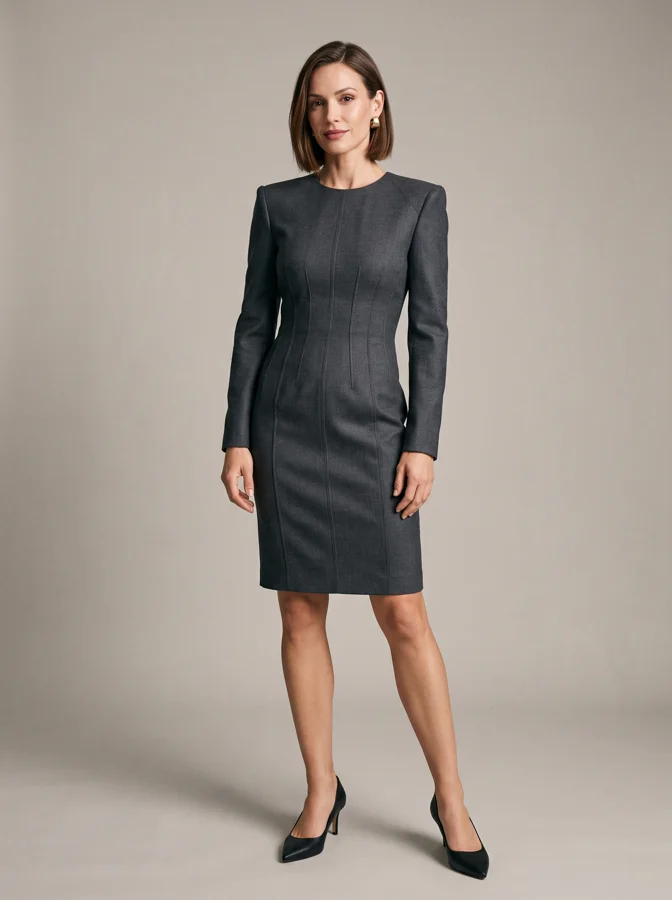
Classic family · Balanced, with a Yang influence
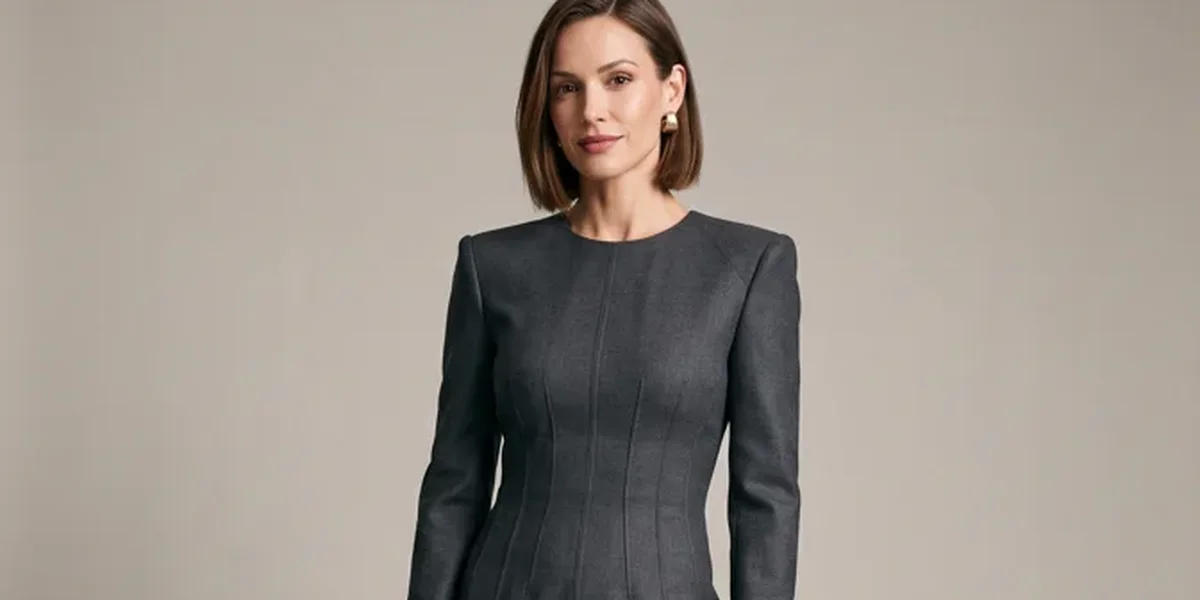
Kibbe calls this line Tailored Chic, and the name gets right to it: this is Classic first, with a dash of Dramatic worked in — never enough to take over, just enough to sharpen the edges. Picture the same controlled, elegant calm as a Classic, with a bit more wattage underneath it: composed, but with a charisma that reads as slightly more commanding the moment you walk in.
Not sure this is you? Take the quiz — 16 questions, real scoring, no email wall.
The Dramatic Classic line
Height tends moderate, generally topping out around 5’7″, on a frame that stays fairly trim and compact at your natural weight, with a touch of muscle underneath. Bust, waist, and hips run fairly straight and evenly matched, though a slightly short waist isn’t unusual, and legs and arms sit average to just a bit long. The bone structure is where the “Dramatic” part shows itself: still symmetrical at its core, but with a slightly angular edge — shoulders that taper or square off slightly (usually on the narrow side), hands and feet with a touch of squareness, and a jaw, nose, or cheekbone line that reads slightly sharp rather than perfectly soft. Eyes usually run moderate to large, with lips more moderate in fullness. Hair tends to be either thick and straight or fine and silky — rarely coarse — sometimes with a wave or curl. Coloring can go anywhere on the spectrum, warm or cool, high-contrast or blended. If weight shifts, it shows up quickly and settles from the waist down, so the line reads more pear-shaped the heavier it gets — the bustline is usually the last place to change.
How to know it’s you
- People describe you as polished with an edge — elegant, but with more presence than a purely soft look would give you.
- Your shoulders, jaw, hands, or feet have a slight squareness to them that a purely symmetrical face or frame wouldn’t show.
- You’re trim and compact at your natural weight, with legs and arms that run average to just slightly long.
- Any weight you gain shows up fast and settles at the hips and thighs rather than the bust.
- Your hair is usually thick and straight or fine and silky — coarse texture is unusual for you.
- An hourglass shape, or extremely long limbs, has never quite been your line.
What a Dramatic Classic is not
- Extremely long-limbed.
- Exotic or extremely lush in the face.
- Large-boned, with oversized hands or feet.
- A true hourglass figure.
- Delicate-boned, with extremely small hands or feet.
- Boyishly straight through the body.
Your famous company
Jacqueline Onassis is the prime example — a symmetrical bone structure carried with just enough angularity at the shoulder and jaw to read as sharper than pure Classic polish. Polly Bergen, Suzanne Pleshette, and Jane Wyman share that same tapered, slightly squared frame, feature for feature. Linda Gray, Katharine Ross, and Gena Rowlands carry the identical edge through moderate-to-large eyes and a firmly defined jawline, while Maria Shriver and Tracy Scoggins show the same trim, compact build, with hips and shoulders sitting in straight, even balance. Phylicia Rashad completes the group with that same crisp line — symmetrical at its core, sharpened just slightly at the edges.
Build your look
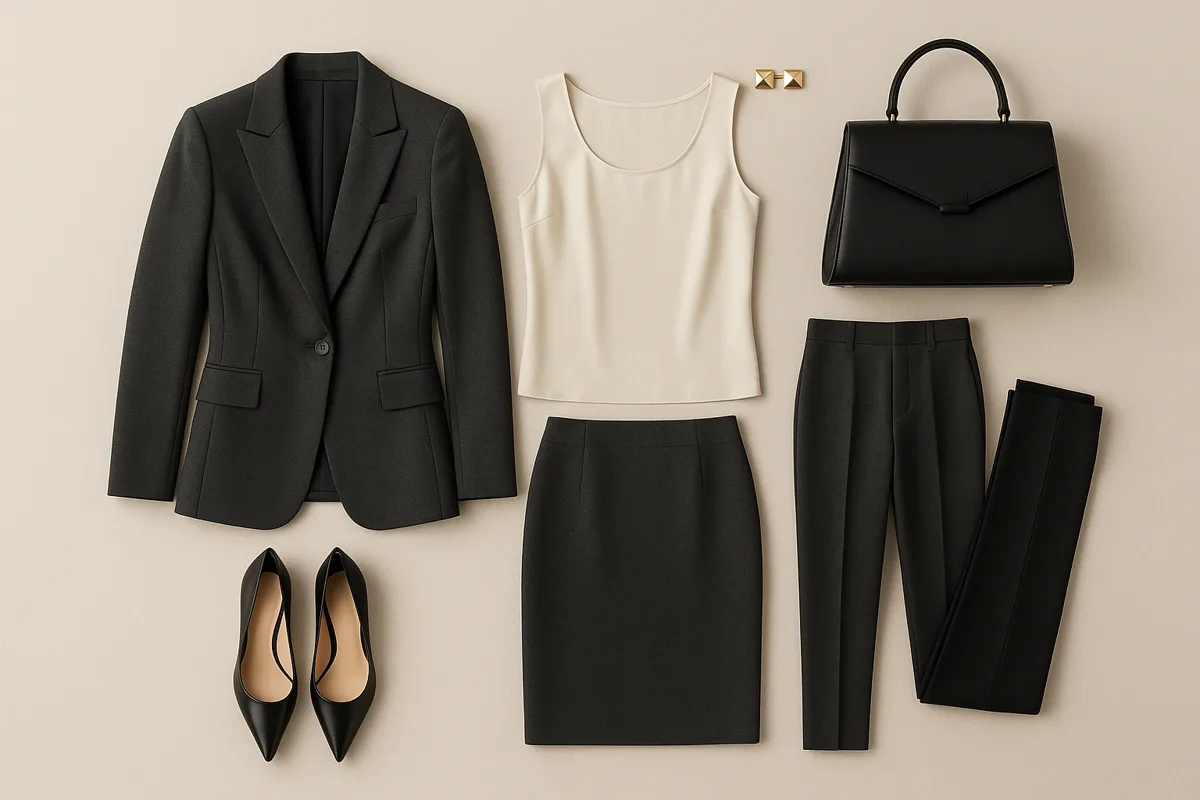 WardrobeLines, fabrics, every piece
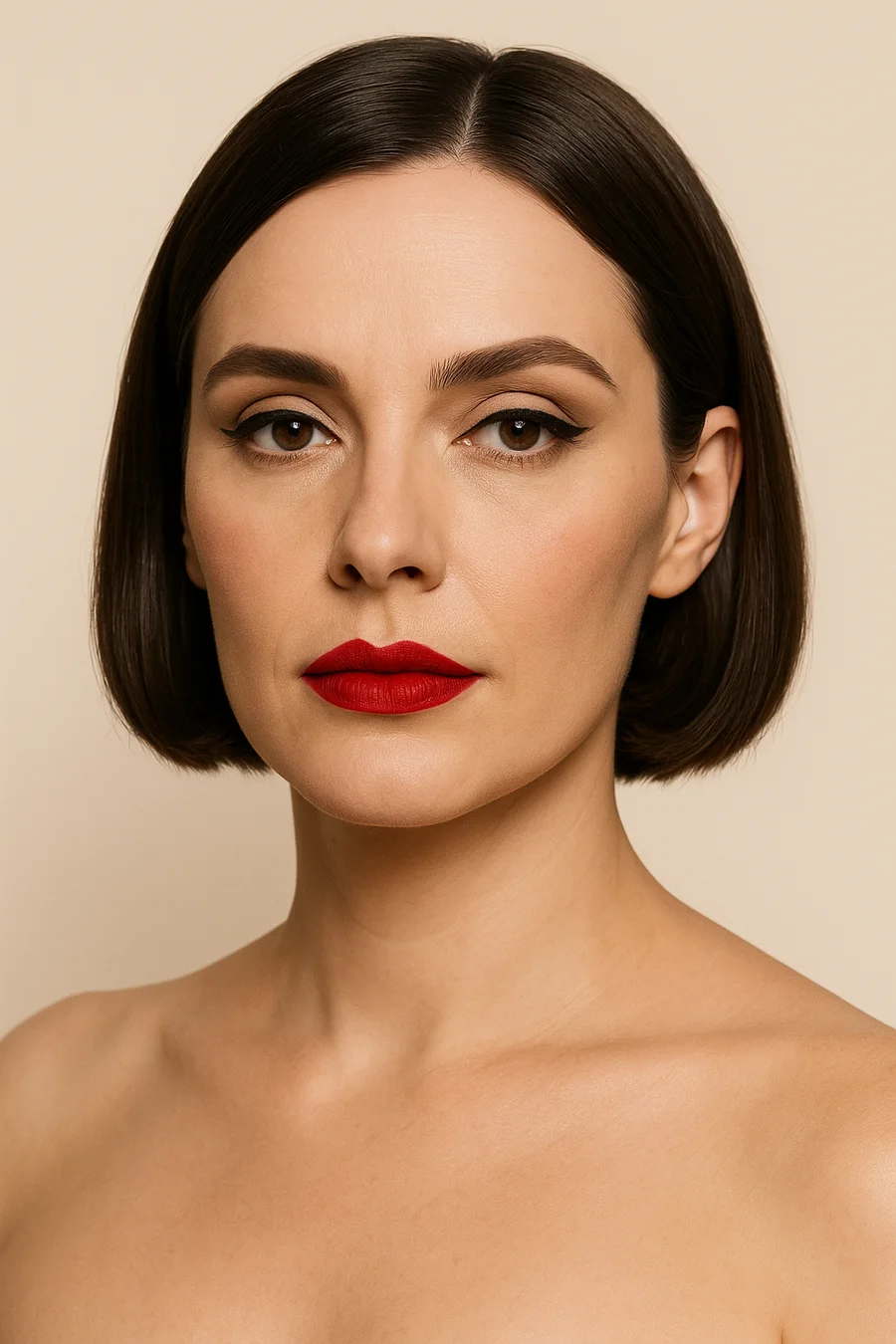 MakeupYour face concept + colors
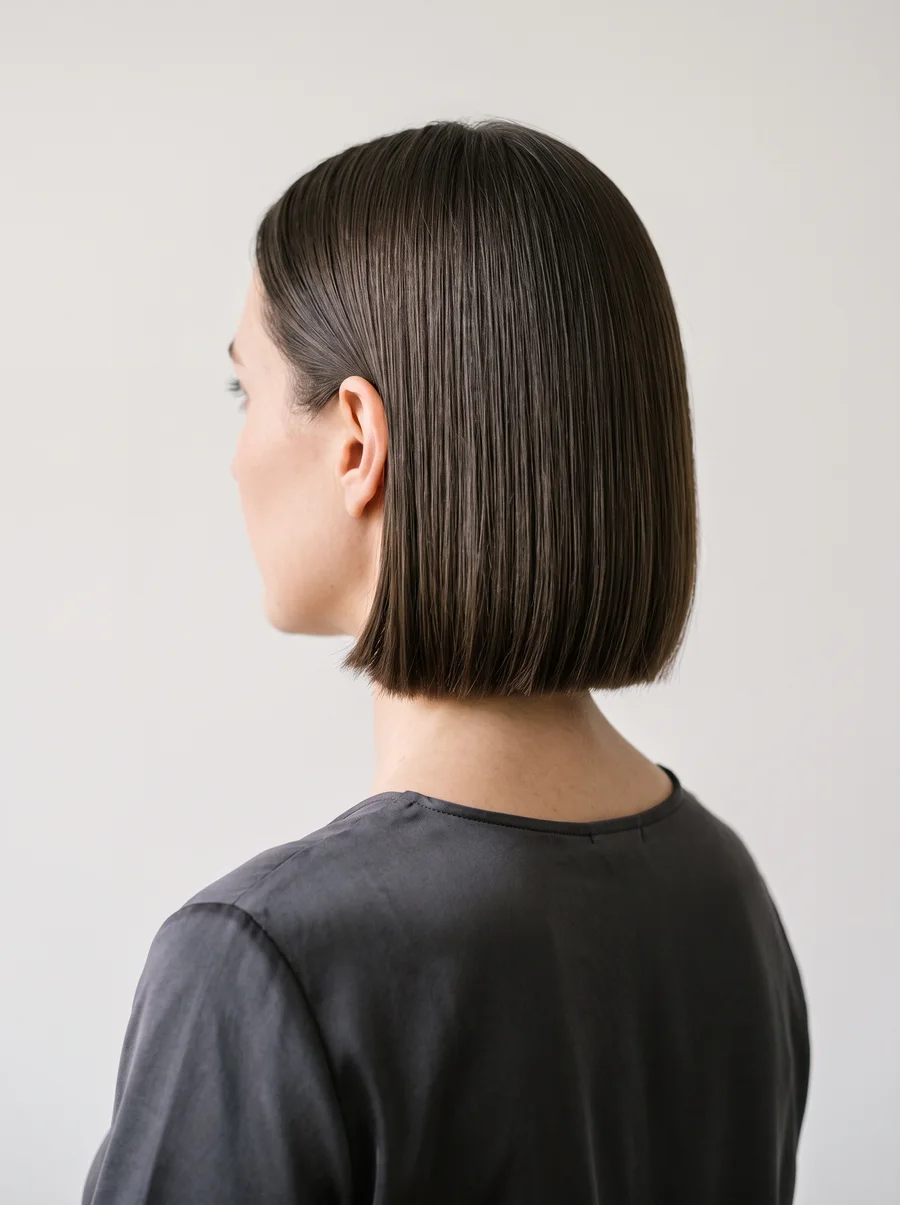 Hair & ColorCut, color, palette
 What to avoidAnd what to wear instead
Often confused with
Dramatic Classic sits right next to Classic on the scale, and the two are easy to mix up at a glance. The tell is angularity: Dramatic Classic runs slightly more angular throughout — squarer shoulders, jawline, hands, and feet, with a slightly more angular facial structure — while Classic stays more symmetrical and narrower in all the same places. See Dramatic Classic vs Classic for the full breakdown.
Unofficial guide inspired by the Image Identity system in David Kibbe’s Metamorphosis (1987). Body types describe line, not worth — every type is the goal, not a consolation prize.