Type Guides
How to Dress for Your Body Type (the Kibbe Way)
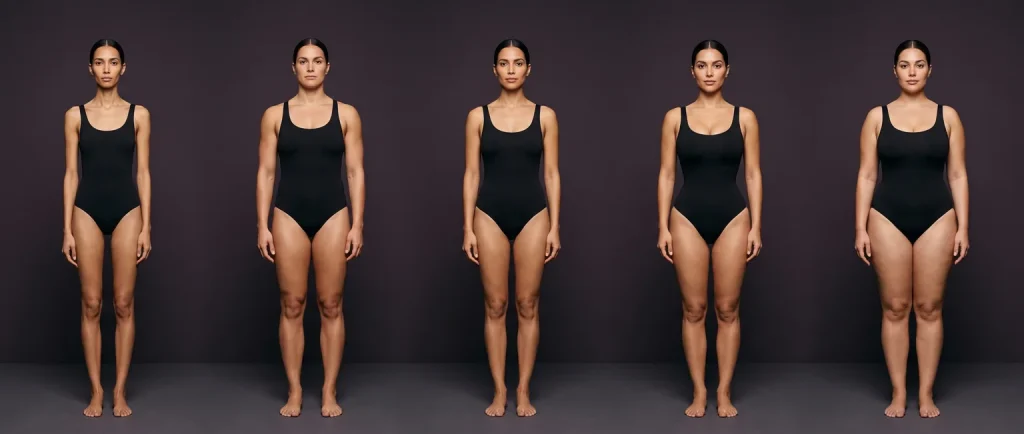
Pillar guide · Dress for your line
“Dress for your body type” usually means one of four shapes: pear, hourglass, apple, rectangle. Pick a fruit, get a checklist of tricks to minimize, balance, or camouflage whatever the fruit implies is a problem. It’s not useless advice — but it’s thin. Four shapes can’t hold thirteen different bone structures, and camouflage is the wrong goal for a body that was never broken to begin with.
Why the fruit-shape system undersells you
The pear/hourglass/apple system measures one thing: where your weight sits relative to your waist. It says nothing about your scale, your bone width, how sharp or soft your features read, or how tall you carry yourself. Two women can both be called “pears” and need completely opposite wardrobes — one built on delicate, tapered bones that call for soft draping, the other built on broad, blunt bones that call for texture and structure. The fruit system flattens both into the same set of rules, then asks you to even out proportions as if the goal were to look like everyone else’s idea of balanced.
The Kibbe alternative: line, not fruit
David Kibbe’s Metamorphosis (1987) works from a different premise entirely: read the body as line, on one continuous scale running from Yang — sharp, angular, structured — to Yin — soft, curved, rounded. Almost nobody sits at a pure extreme; most people carry a mix of both, and the whole point is locating exactly where you fall rather than forcing yourself toward either pole. Applied to bone structure, flesh, and facial features together, that single scale sorts into thirteen named Image Identities instead of four fruits — five root types (Dramatic, Natural, Classic, Gamine, Romantic) and eight variants, each one borrowing a secondary undercurrent from the opposite end of the scale.
The bigger difference is the goal itself. Fruit-shape advice tends to chase an evened-out symmetry — a corrected, camouflaged version of whatever shape you’re told you have. Kibbe’s system argues for balance instead: work with the line your own bones already give you rather than disguising it. A sharp shoulder gets a clean, structured neckline. A soft, sloped one gets drape. Neither reading is a flaw to manage — each is simply a complete, different answer, and no answer on this scale outranks another.
How to find yours
Reading descriptions only gets you partway — most people recognize themselves in two or three types before an actual scoring system sorts it out, which is exactly why this site built one. Take the quiz: sixteen questions covering bone structure, flesh, and facial features, scored the way the book’s own chapter scores them, no email wall required. Want the mechanics first? How the quiz works walks through the scoring logic and the trickiest pairs before you start answering.
The five families
Each of the thirteen types belongs to one of five families, grouped by its root theme. Skim whichever sounds closest to you, then click through — every hub links out to a full wardrobe guide, a makeup guide, a hair and haircolor guide, an avoid list, and a ready-built capsule wardrobe.
Dramatics
The sharpest end of the scale: long lines, square shoulders, a face built for angles rather than curves. Dramatic runs pure and unmixed; Soft Dramatic carries that same bold scale with a fuller, more sensual undercurrent running beneath it. Both dress in long verticals and geometric detail — what changes is how much curve shows up underneath the structure.
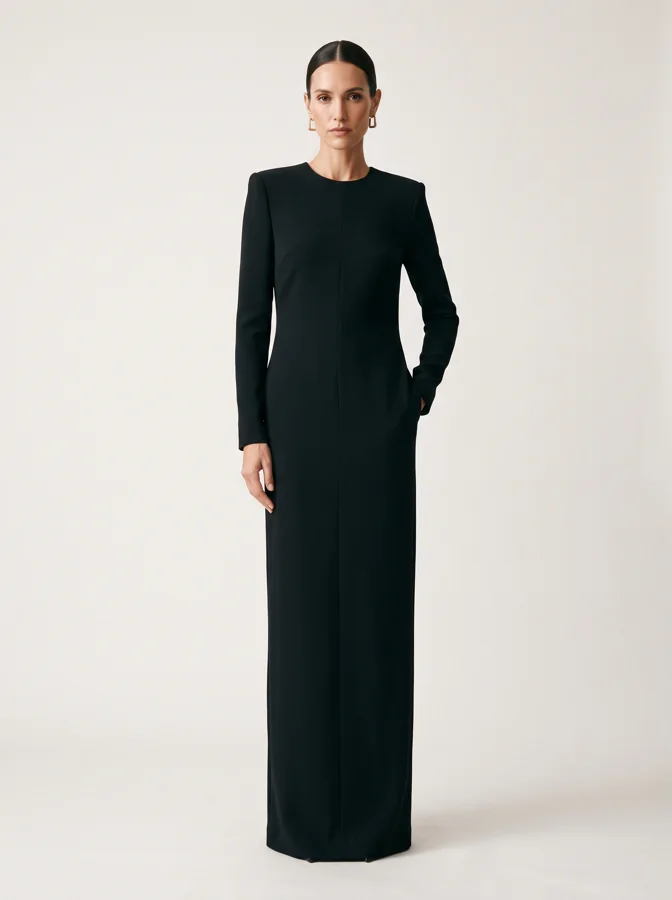 Dramatic hubFull profile plus wardrobe, makeup, hair, and avoid guides.
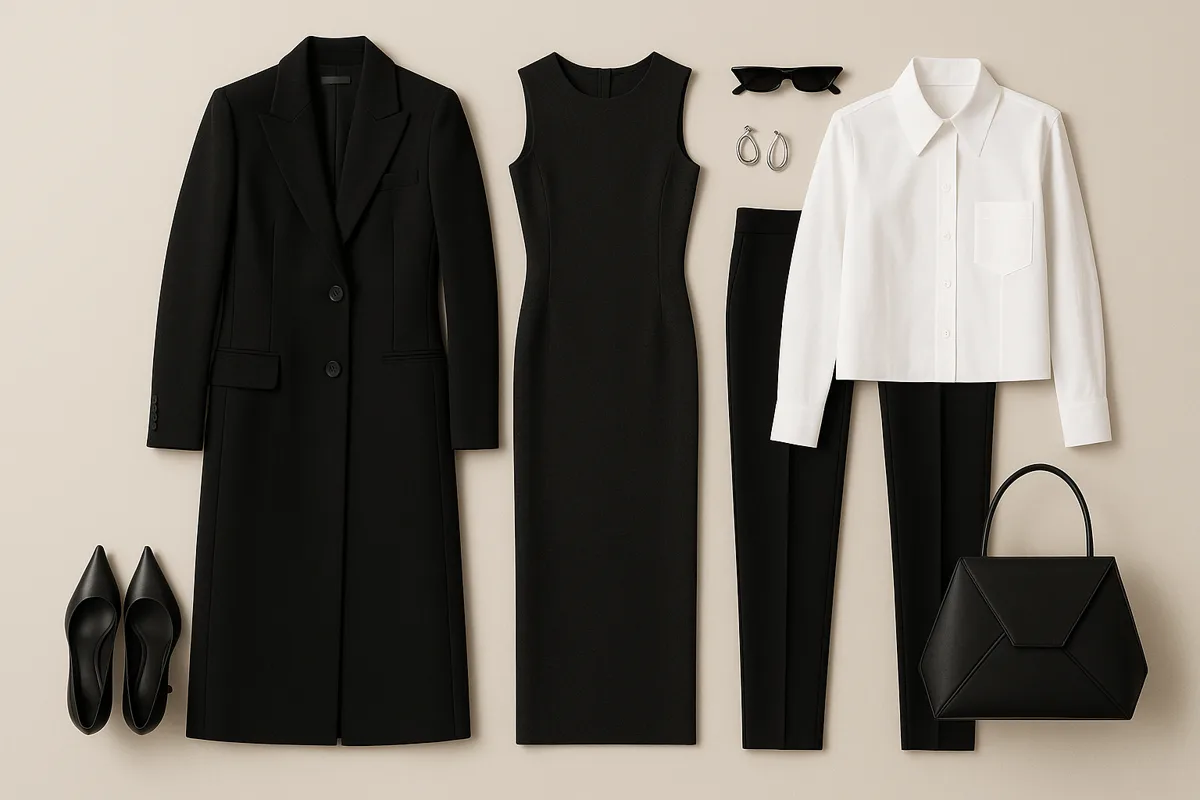 Dramatic capsule wardrobeFourteen pieces built around one long, unbroken line.
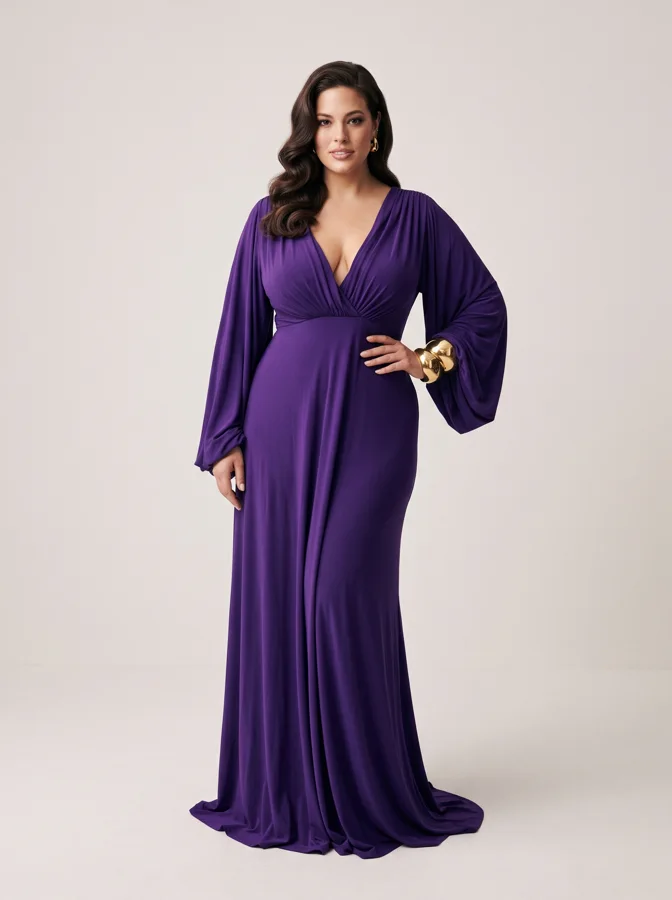 Soft Dramatic hubFull profile plus wardrobe, makeup, hair, and avoid guides.
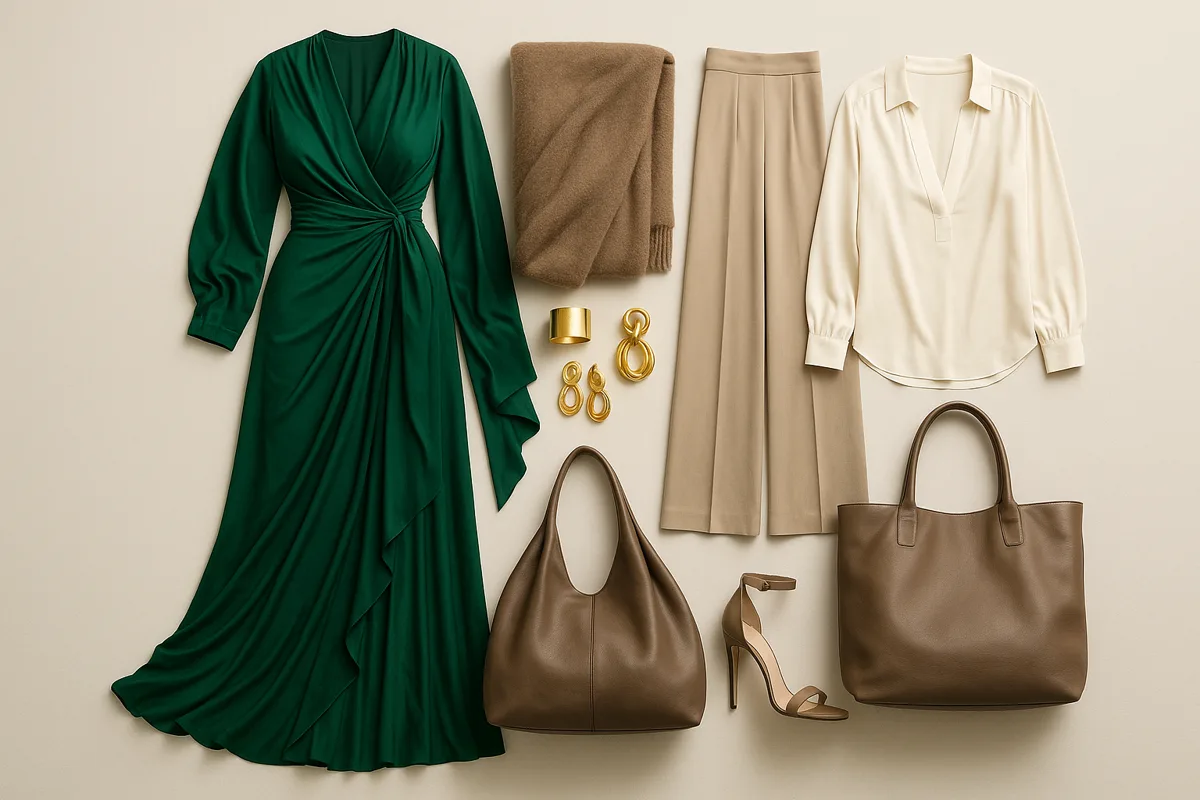 Soft Dramatic capsule wardrobeBold shapes softened with sweeping, draped curves.
Naturals
Broad, blunt, and easy rather than sharp — nothing about this family is fussy or fitted-to-the-inch. Natural sits at the center of the group; Flamboyant Natural takes that same relaxed strength up in scale and boldness; Soft Natural keeps the blunt bone structure but adds a gentler, fleshier body underneath. All three favor texture and separates over anything precise or ornate.
 Natural hubFull profile plus wardrobe, makeup, hair, and avoid guides.
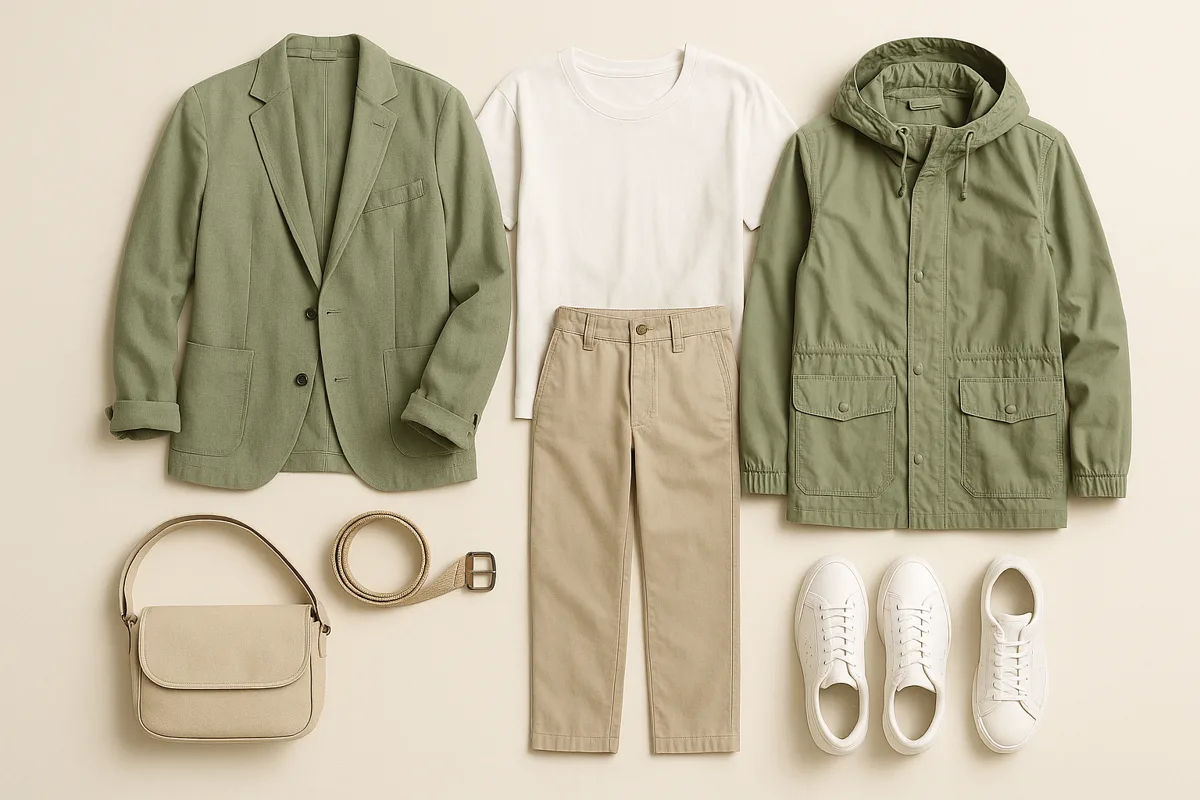 Natural capsule wardrobeEasy separates built for mixing and matching.
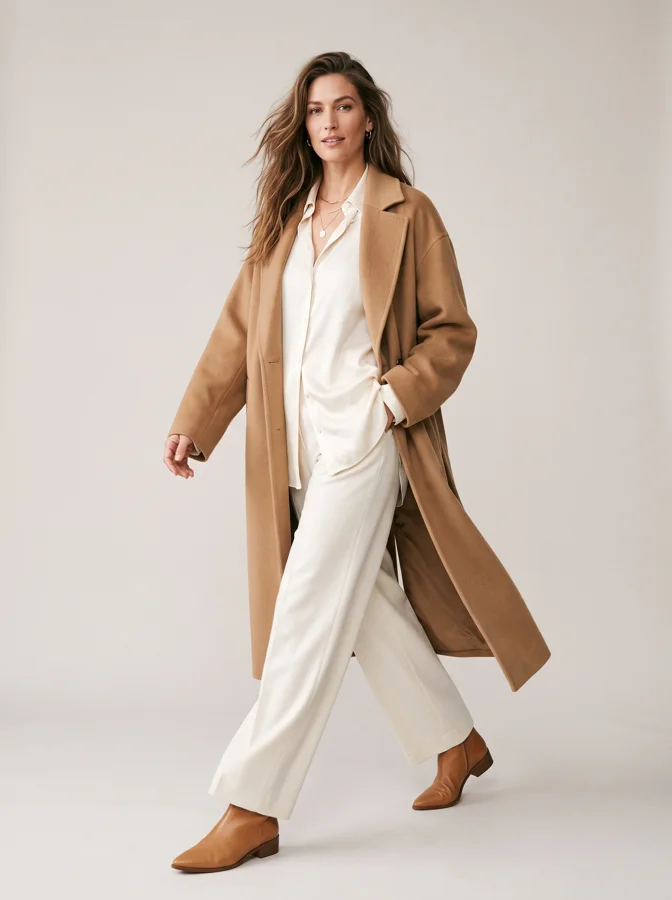 Flamboyant Natural hubFull profile plus wardrobe, makeup, hair, and avoid guides.
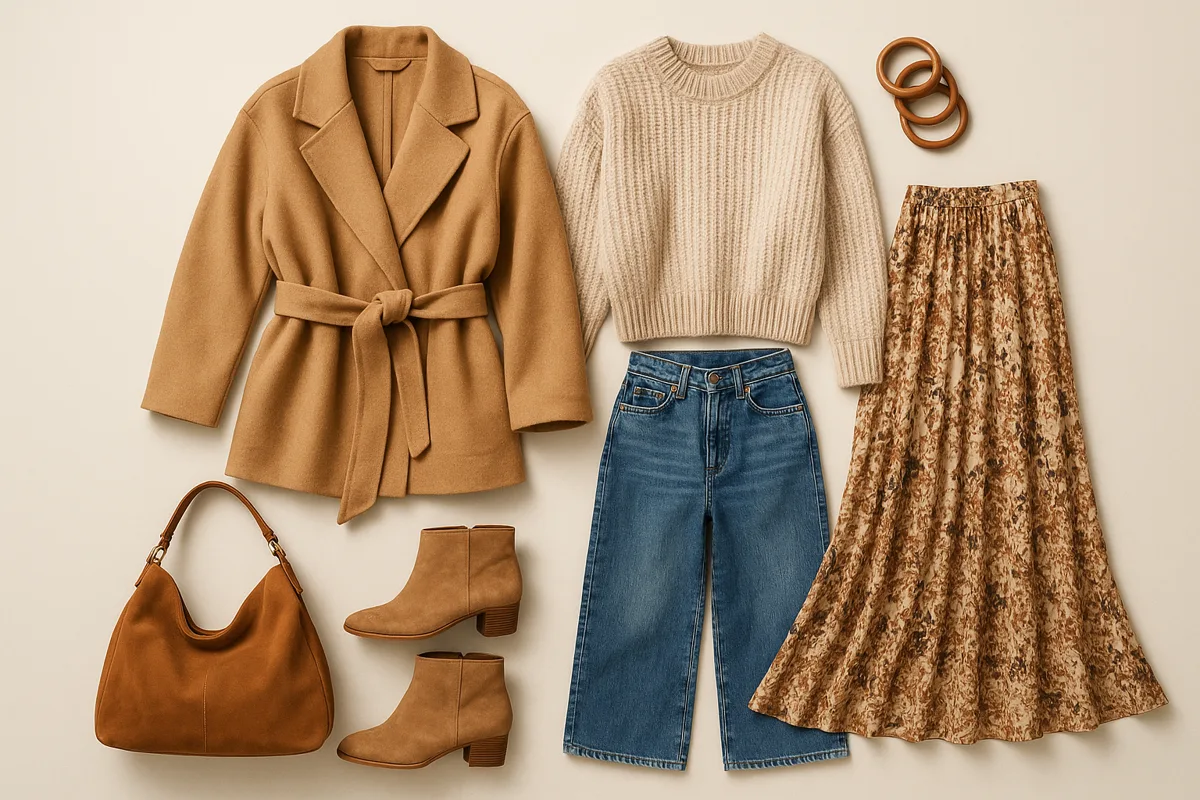 Flamboyant Natural capsule wardrobeBigger, bolder pieces for a broad, striding frame.
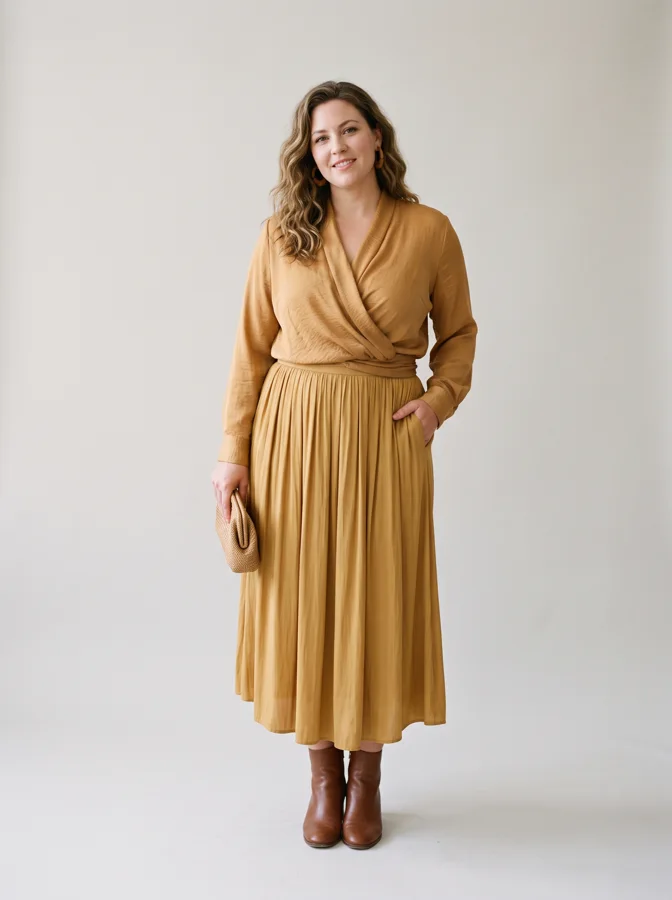 Soft Natural hubFull profile plus wardrobe, makeup, hair, and avoid guides.
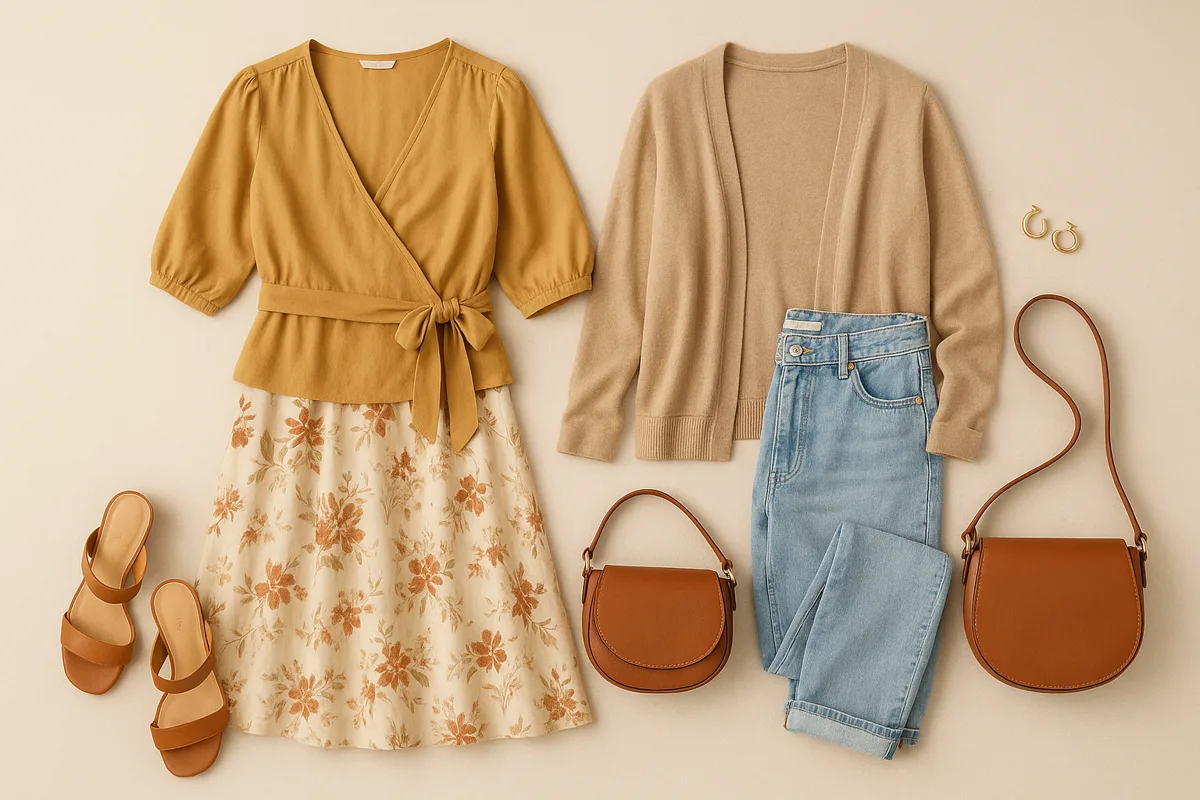 Soft Natural capsule wardrobeCurved, textured pieces resting on quiet strength.
Classics
The balanced center of the whole scale — even, symmetrical, and quietly polished rather than loud in either direction. Classic sits dead center; Dramatic Classic takes that same balance and adds a squarer, more angular edge; Soft Classic takes it and rounds the edges instead. None of the three needs embellishment to read as put-together.
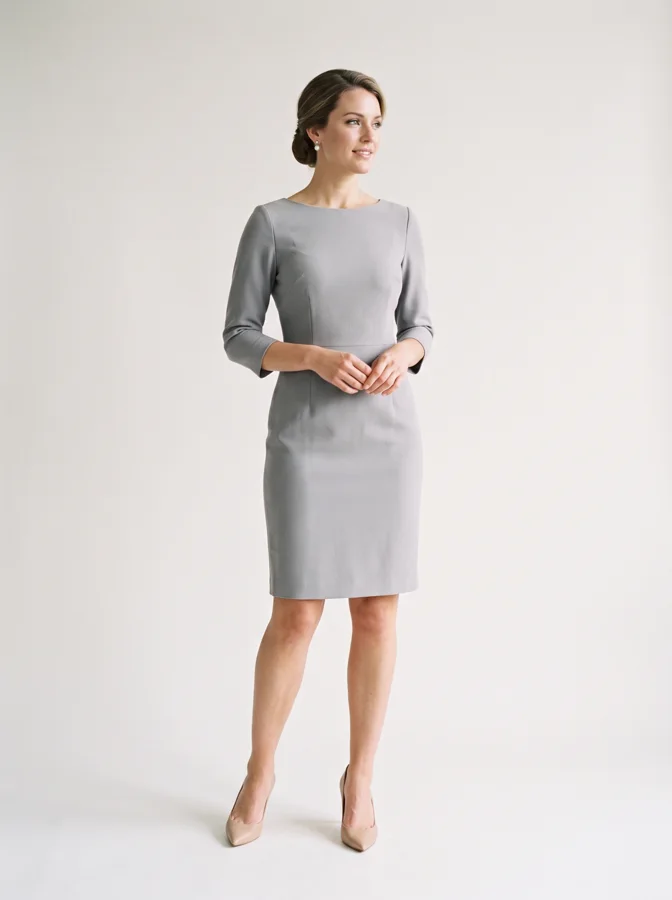 Classic hubFull profile plus wardrobe, makeup, hair, and avoid guides.
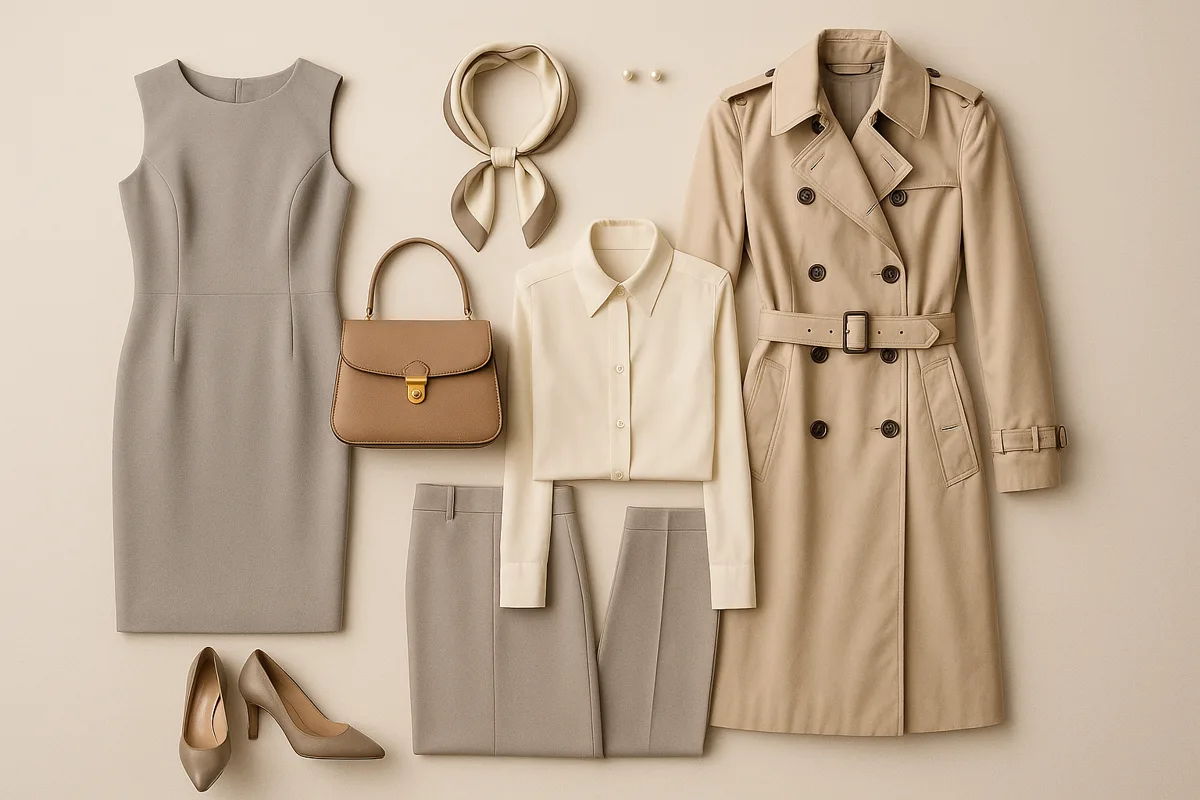 Classic capsule wardrobeQuality fabric in quiet, understated pieces.
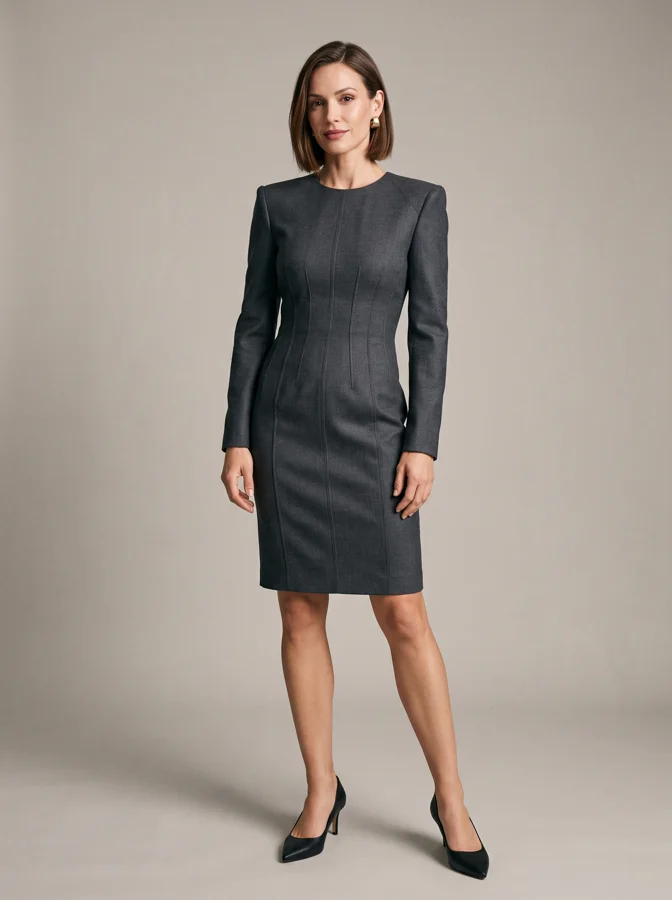 Dramatic Classic hubFull profile plus wardrobe, makeup, hair, and avoid guides.
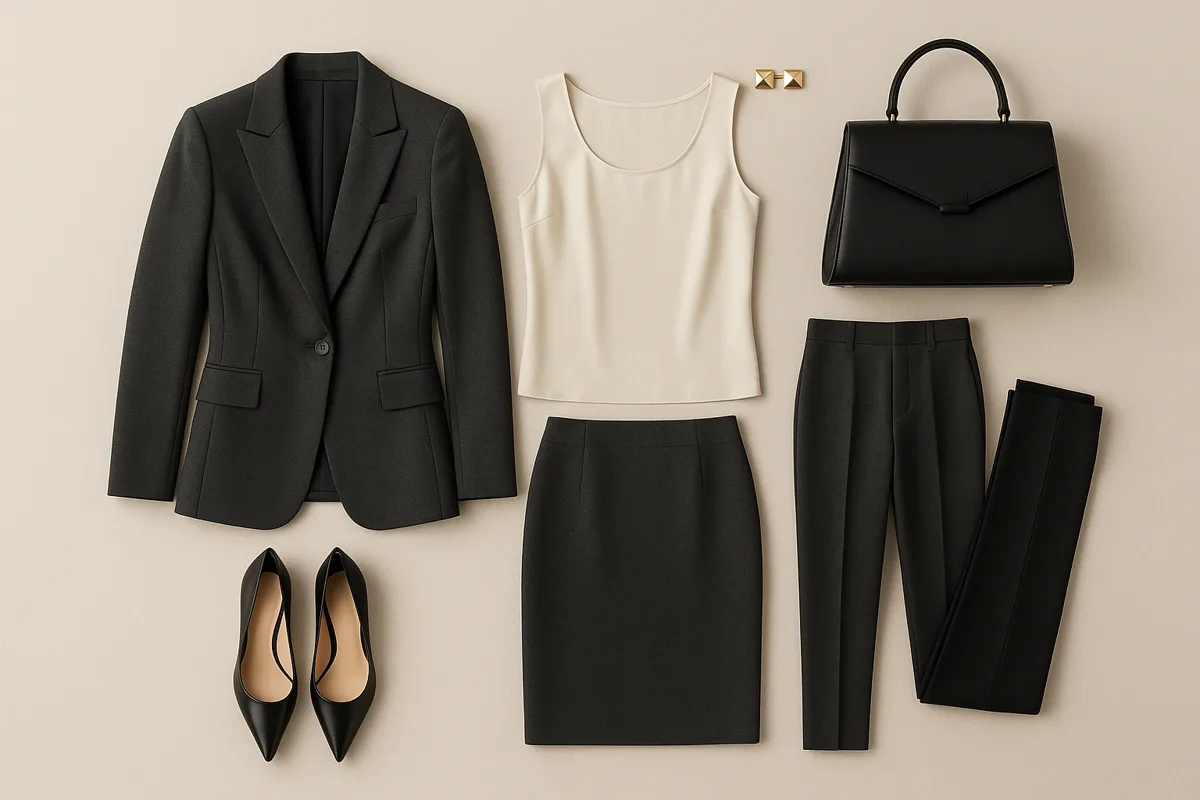 Dramatic Classic capsule wardrobeTailored pieces with a sharper, squared edge.
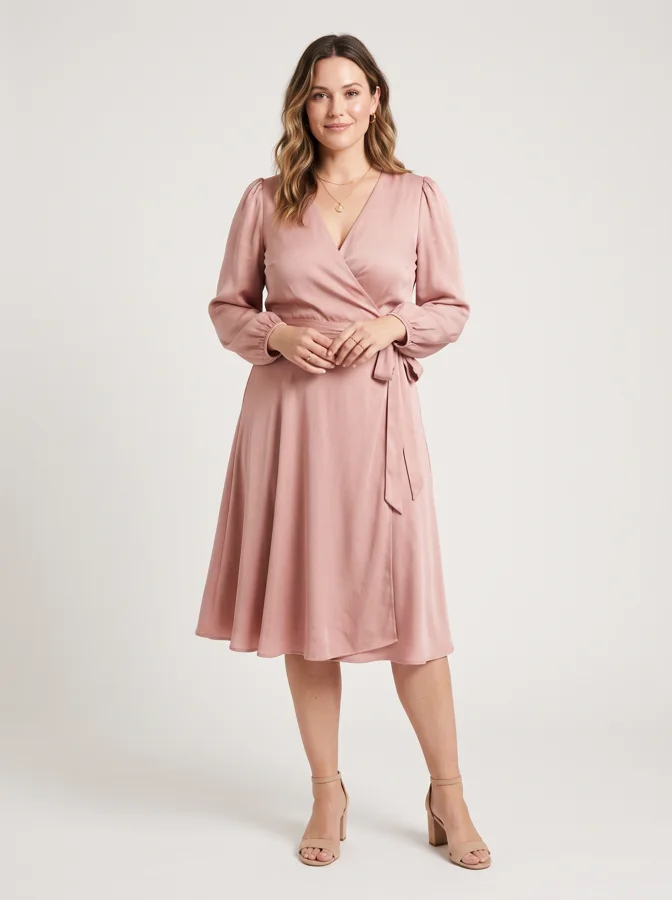 Soft Classic hubFull profile plus wardrobe, makeup, hair, and avoid guides.
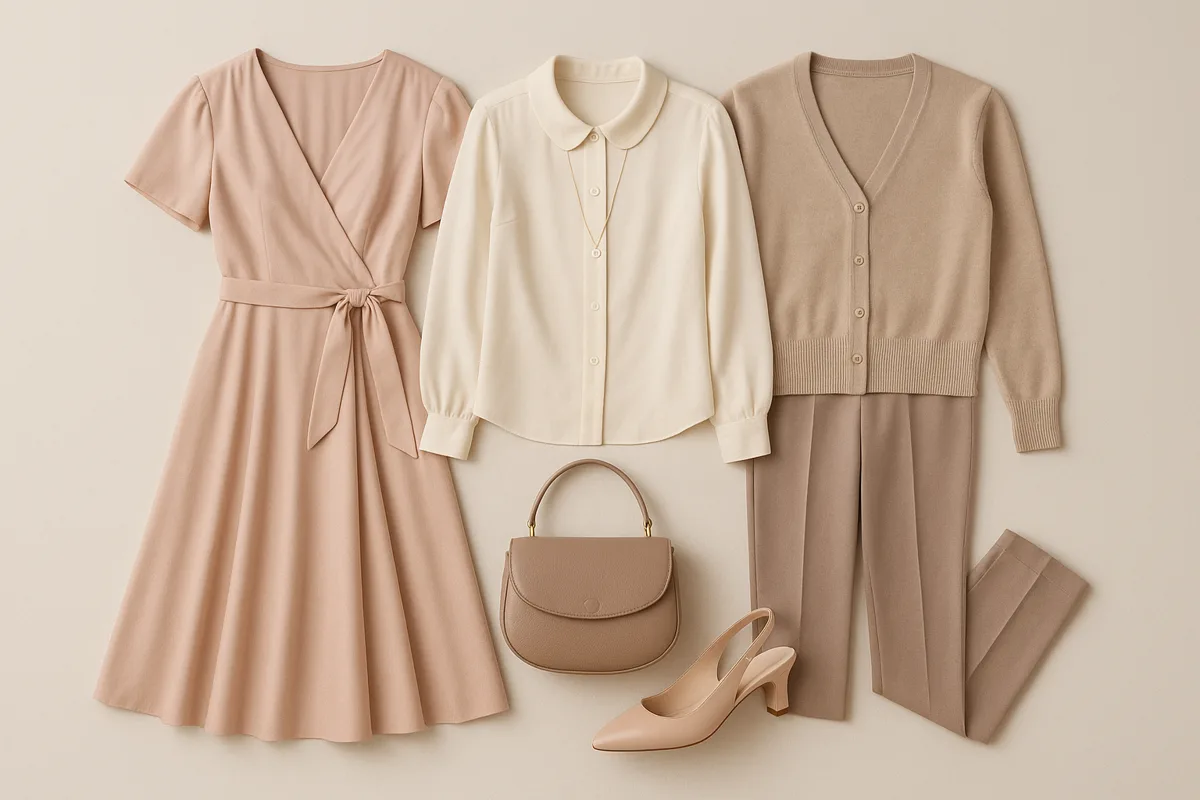 Soft Classic capsule wardrobeGraceful, gently rounded pieces built to flow.
Gamines
A built-in contradiction: petite and sharp-boned at once, with a face that skews soft and round even while the skeleton stays angular. Gamine holds both extremes in even measure; Flamboyant Gamine tips the mix toward more Yang energy and bigger contrast; Soft Gamine tips it toward more curve and softness. All three thrive on broken lines and color contrast rather than one smooth silhouette.
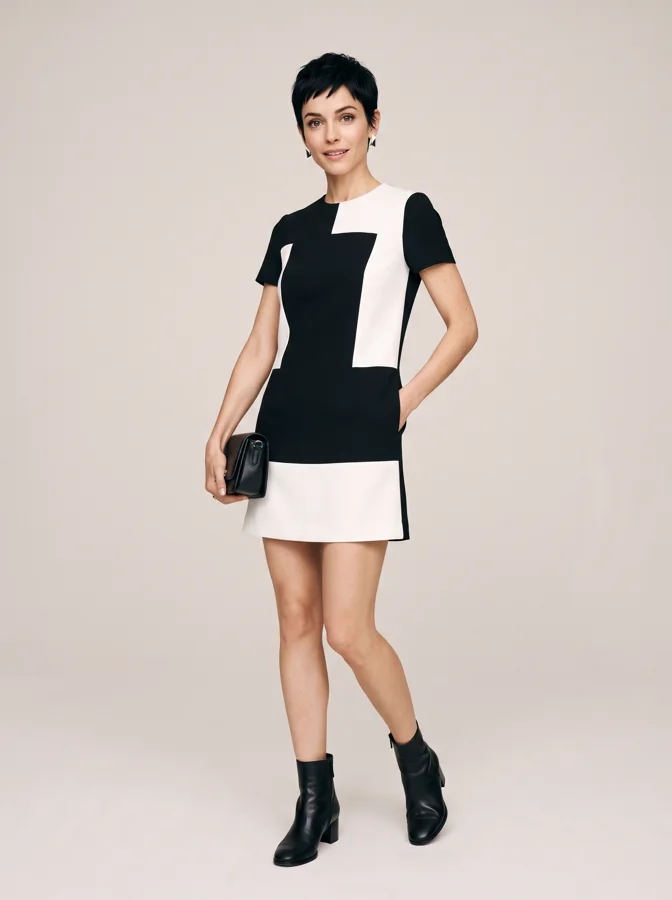 Gamine hubFull profile plus wardrobe, makeup, hair, and avoid guides.
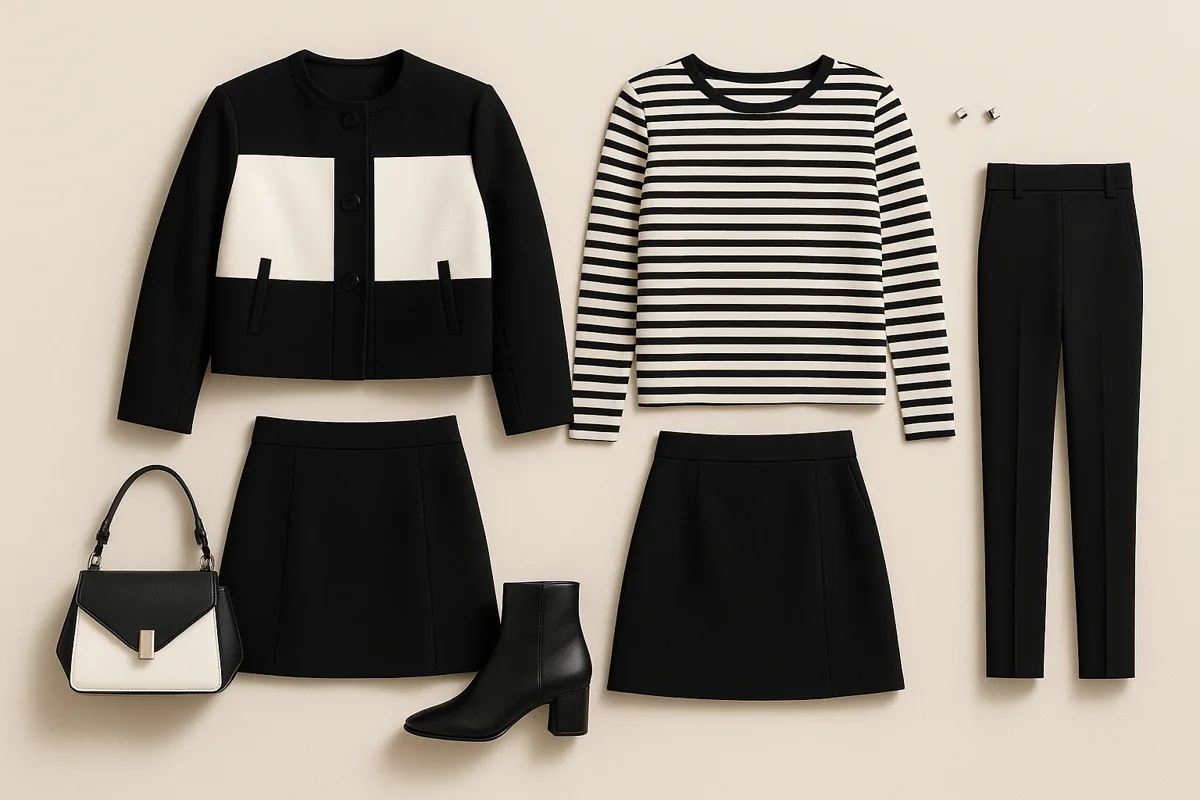 Gamine capsule wardrobeSmall-scaled, sharply fitted pieces with plenty of contrast.
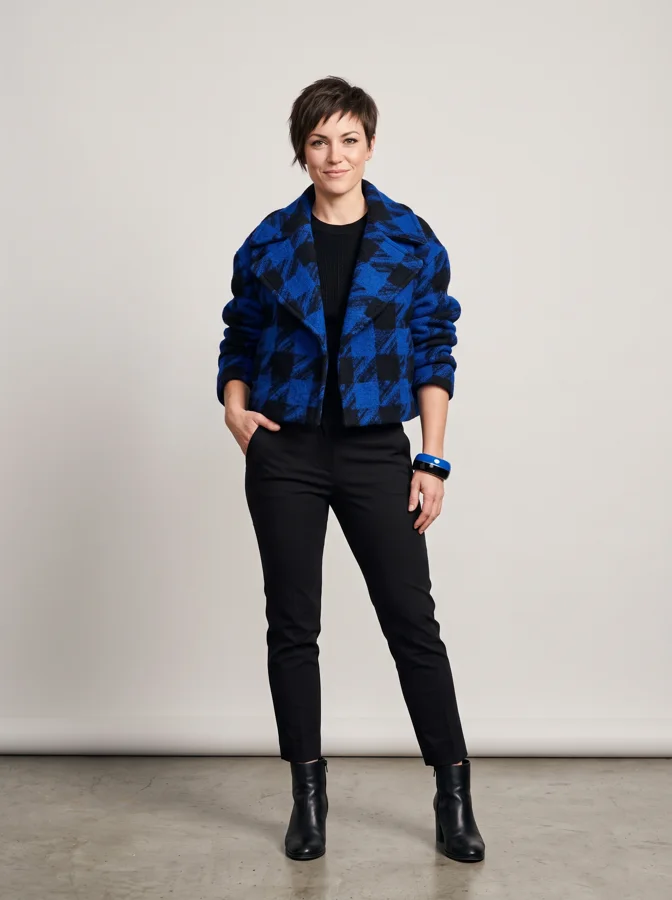 Flamboyant Gamine hubFull profile plus wardrobe, makeup, hair, and avoid guides.
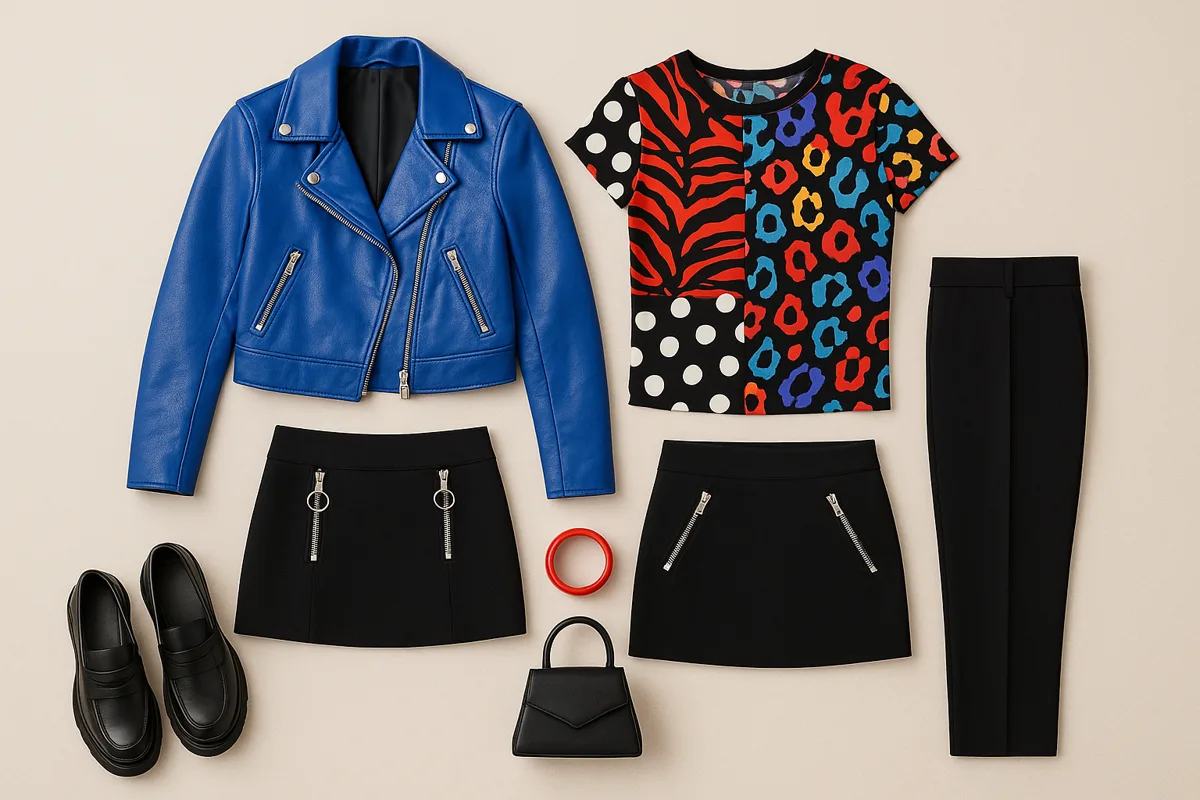 Flamboyant Gamine capsule wardrobeAsymmetric pieces in electric color, with real edge.
 Soft Gamine hubFull profile plus wardrobe, makeup, hair, and avoid guides.
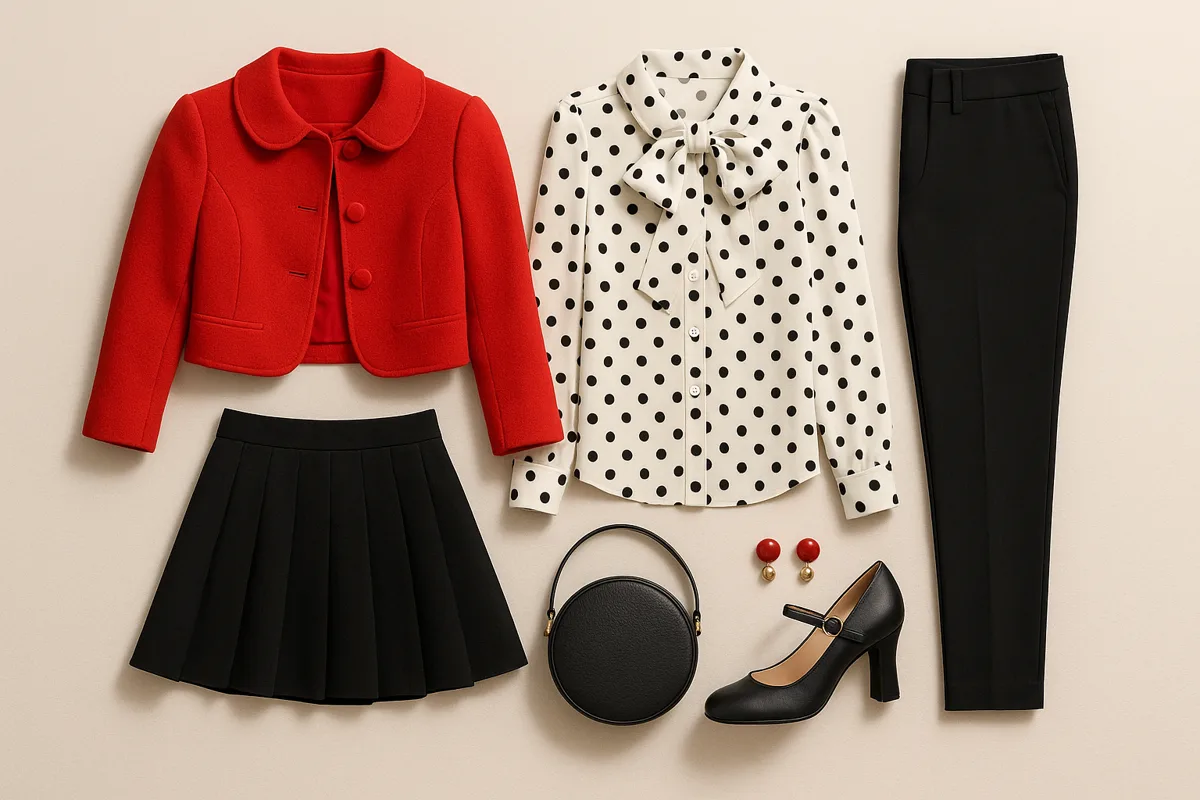 Soft Gamine capsule wardrobeCrisp, curved pieces with a cinched waist and playful trim.
Romantics
The softest end of the scale: rounded curves, a defined waist, and a lush, full face that reads unmistakably soft rather than tailored. Romantic runs pure and extreme; Theatrical Romantic carries that same curved hourglass with a finer, sharper edge running underneath the glamour. Both lean on draped fabric and ornate detail rather than anything stiff or severe.
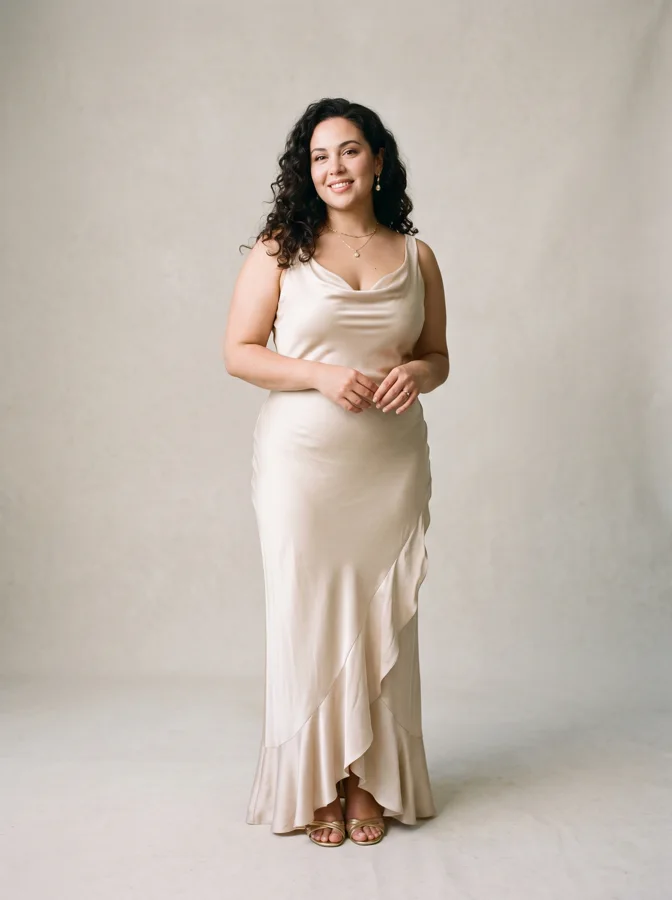 Romantic hubFull profile plus wardrobe, makeup, hair, and avoid guides.
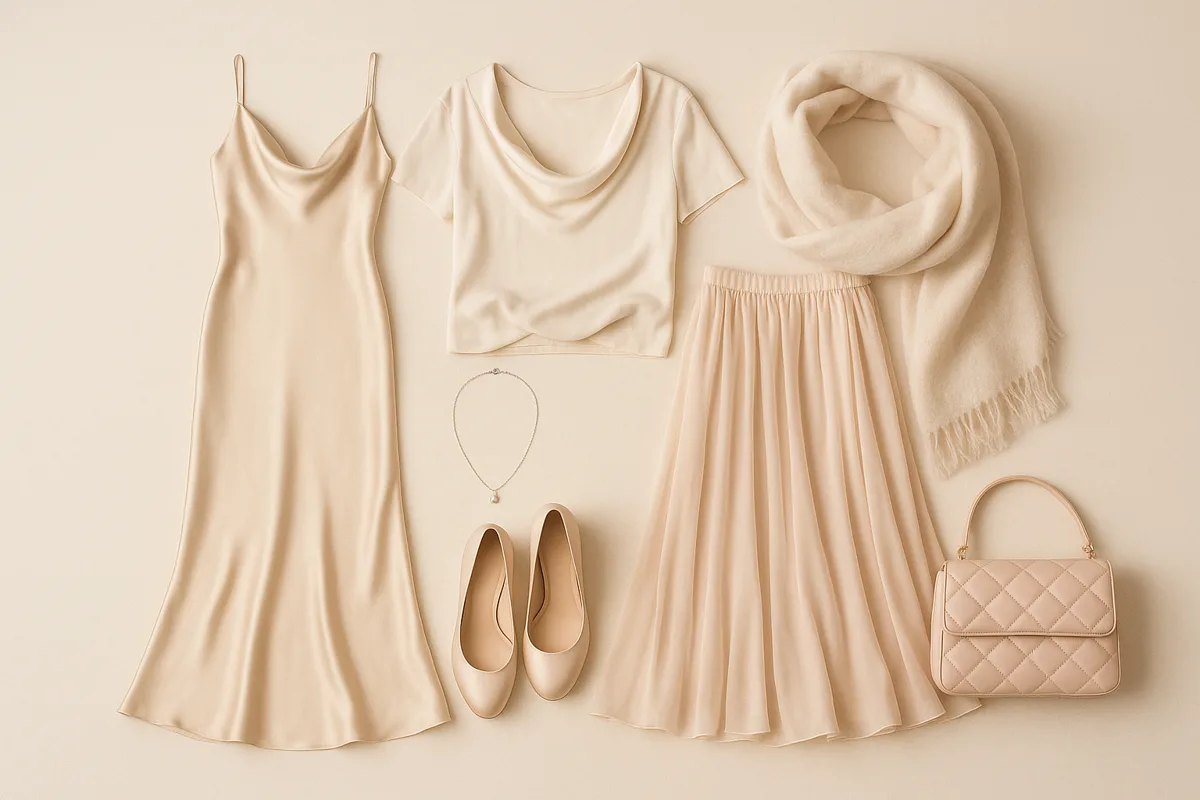 Romantic capsule wardrobeSoft, draped pieces built around a defined waist.
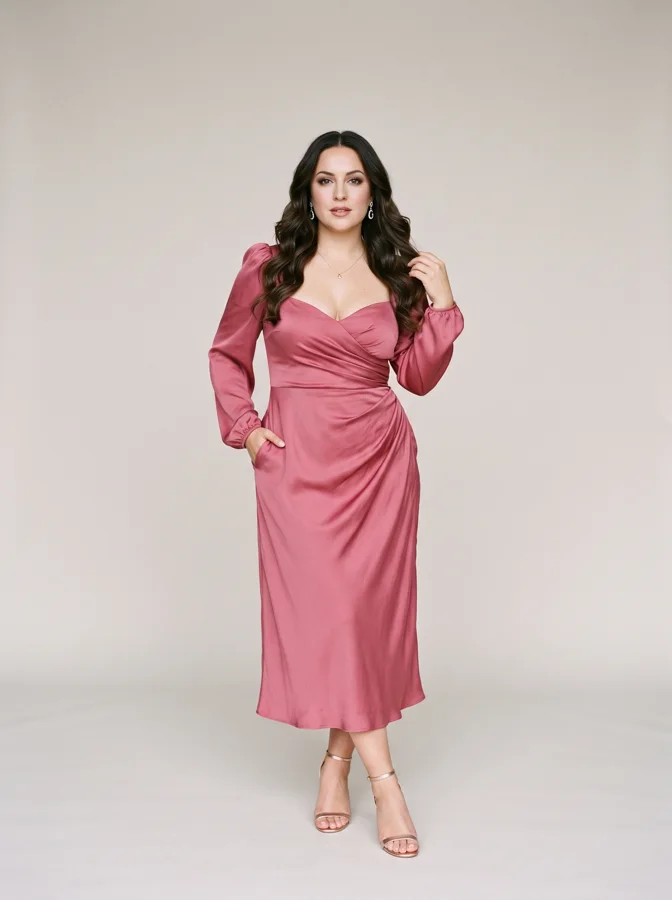 Theatrical Romantic hubFull profile plus wardrobe, makeup, hair, and avoid guides.
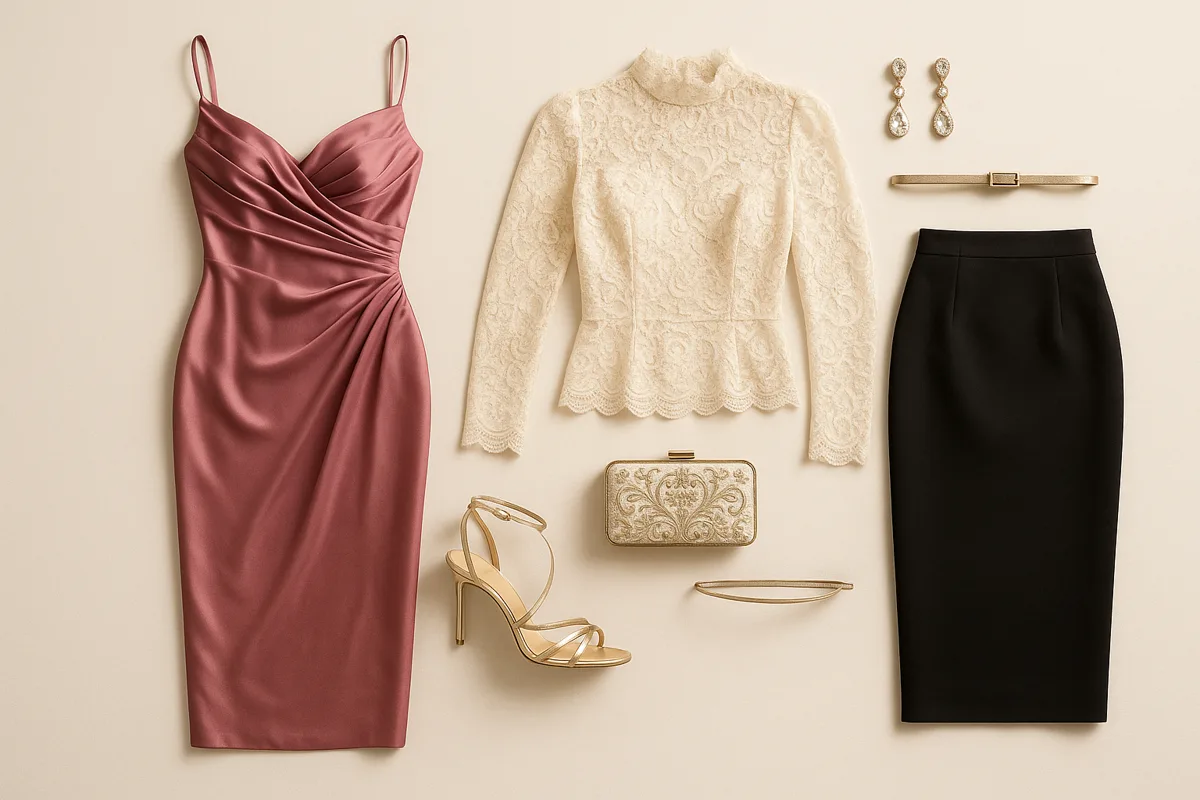 Theatrical Romantic capsule wardrobeLavish, fluid pieces with a glamorous edge.
Still torn between two types?
That’s normal — most people land close to two neighboring types before the small details sort it out. The comparison hub lines up the eight pairs people mix up most often, detail by detail, so you can settle it for good. And the Yin/Yang explainer covers the whole underlying scale in one place if you want the full picture before committing to a type.
Ready to stop guessing? Take the quiz — 16 questions, real scoring, no email wall.
Unofficial guide inspired by the Image Identity system David Kibbe published in 1987. Body types describe line, not worth — every type is the goal, not a consolation prize.