Soft Gamine Body Type
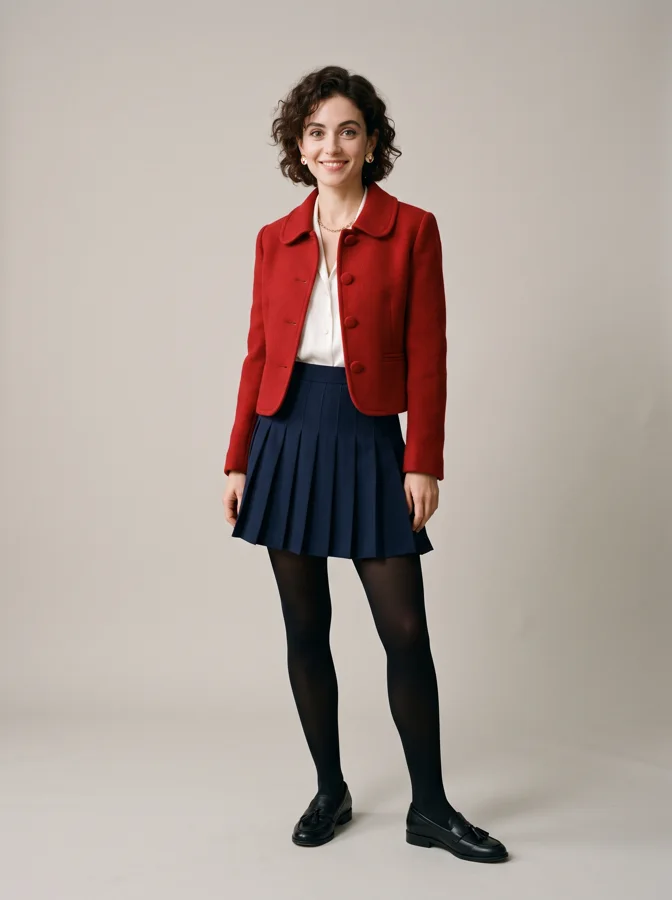
Gamine family · Yin-leaning Yin/Yang combination
Kibbe’s name for her is Spitfire Chic, which captures the whole idea in two words: fire underneath, softness on the surface. She’s a Gamine through and through — that same push-pull of delicate size and real edge — but with an extra layer of curve and warmth borrowed from the Romantic side of the chart. Kibbe reaches for a dessert to explain her: think of a banana split, where the fruit, the scoop, and the syrup underneath form the balanced Yin-and-Yang base every Gamine starts from — she’s simply the version with a swirl of whipped topping and a cherry piled on.
Not sure this is you? Take the quiz — 16 questions, real scoring, no email wall.
The Soft Gamine line
She stands under 5’5″, usually well under it, on a frame that’s small and delicate but carries an unexpected edge at the shoulder line, angled rather than rounded off. Hands and feet stay small, sometimes a touch wide or soft, and her limbs read a little short set against her overall height. The body itself curves — a defined bust and hip, some natural waist shape, and a softness through the arms, hips, and thighs that leans toward fleshy rather than lean. Her face has a doll-like quality — oversized eyes, plush full cheeks, a generous mouth — set into an overall shape that tends toward round, occasionally interrupted by a jawline with more strength or angle than you’d expect. Hair tends soft in texture — silky when fine, wispy when it has curl or wave — and her skin tone, whatever its undertone, usually reads as delicate, luminous, almost translucent. When weight shifts, it settles mostly through the chest and hip area, which is also why it’s common for a Soft Gamine to feel heavier than she actually is — the rounded shape and shorter limbs can create that impression on their own.
How to know it’s you
- Your eyes and cheeks give you a doll-like quality people comment on.
- You’re genuinely petite, with arms and legs that run a little short for your frame.
- Your shoulders carry a surprising bit of angularity against an otherwise soft, curvy body.
- Your waist shows real definition even though the rest of you reads round and full.
- Your coloring feels delicate or luminous, almost lit from within.
- Nothing about your face or body lines up in perfect symmetry.
What a Soft Gamine is not
- Tall, in any real sense.
- Rail-thin or built on a straight, flat frame.
- Marked by a heavy, wide-boned frame, or a sharply angular one.
- Large through the hands or feet, or exotic in feature.
- Symmetrical in body, bone, or face.
Your famous company
Bette Davis leads the type — a small, curved frame with a famously expressive face that could flash hot and go soft again in the space of a glance. Judy Garland and Clara Bow carry the same doll-like, curved-but-petite quality decades apart, and Claudette Colbert and Susan Hayward show how naturally that same combination sits on two very different faces. Debbie Reynolds and Betty White prove the spark holds steady across the decades, and Mary Martin, Victoria Principal, and Linda Ronstadt round out a group defined less by any one era than by that same small frame carrying an outsized, spirited presence.
Build your look
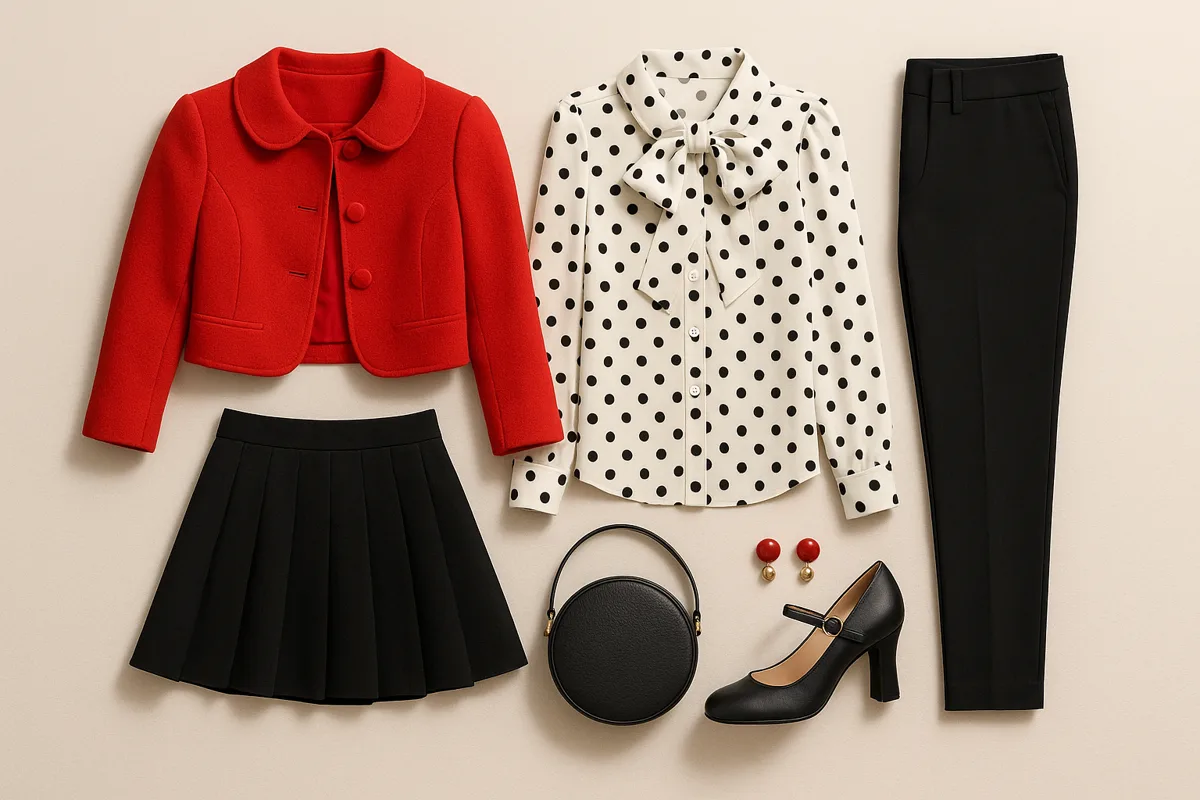 WardrobeLines, fabrics, every piece
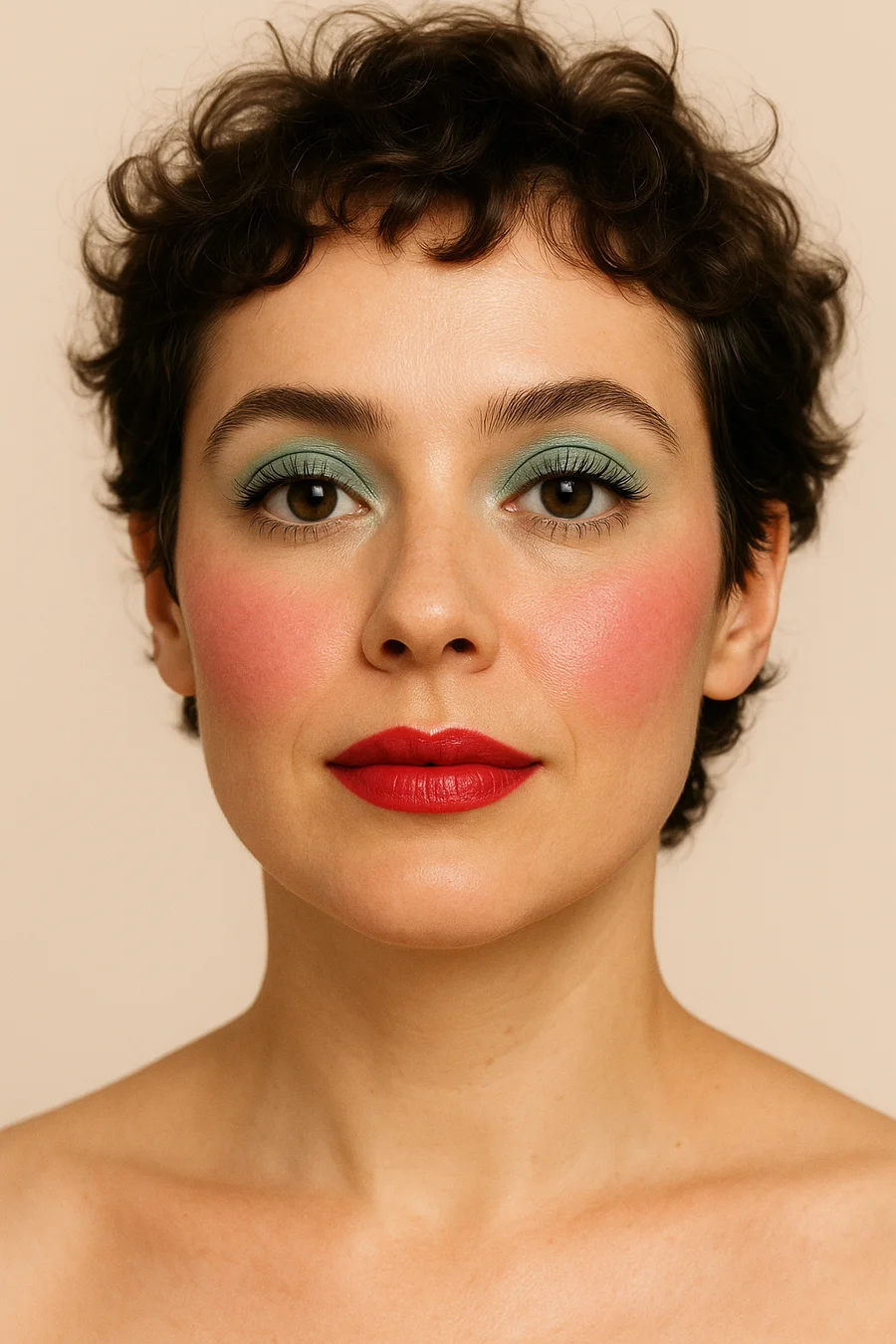 MakeupYour face concept + colors
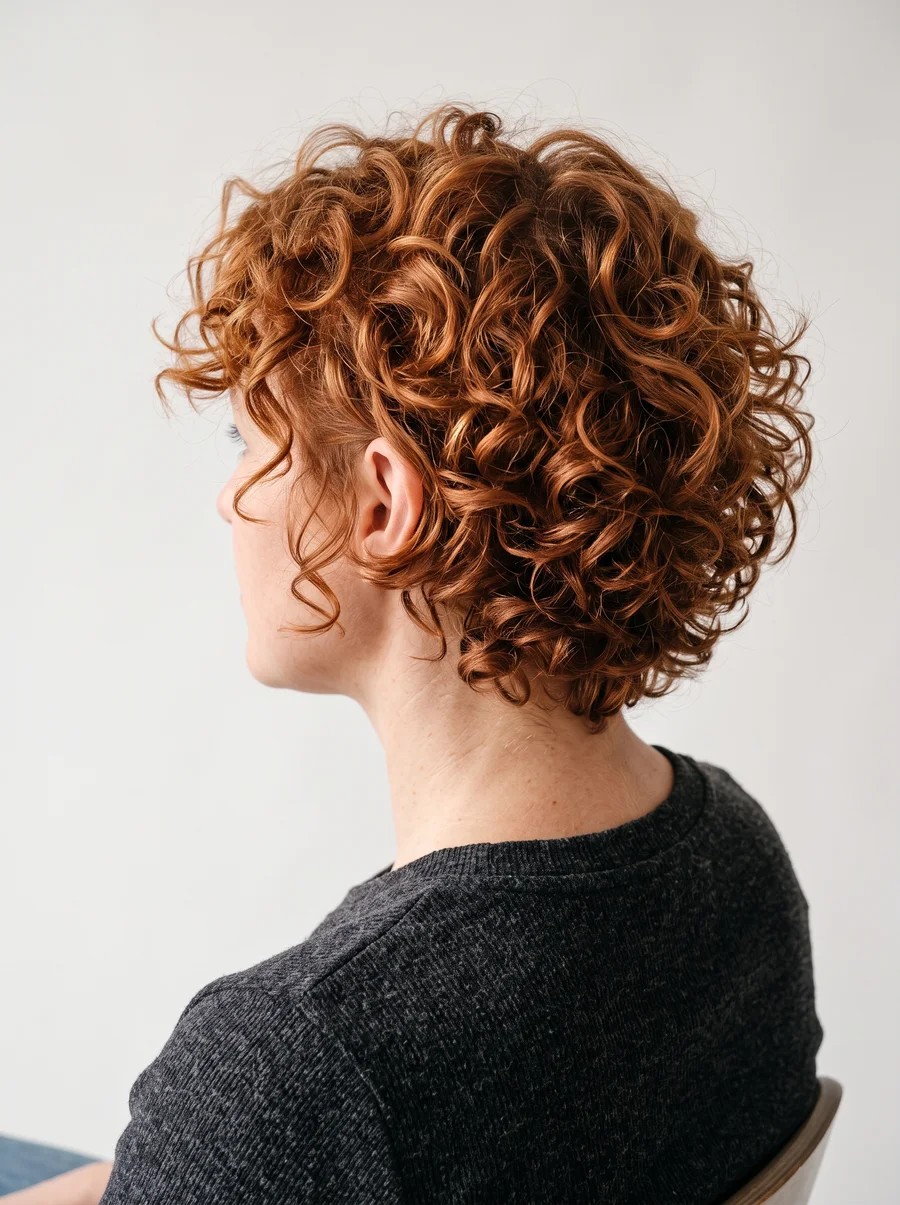 Hair & ColorCut, color, palette
 What to avoidAnd what to wear instead
Often confused with
Soft Gamine gets mixed up with both Romantic and Theatrical Romantic, since all three share real curve and softness. The Romantic comparison comes down to scale — you run noticeably smaller and finer-boned, your shoulder carries an angled edge Romantic doesn’t have, and your curves stay compact and firm where hers spread wider and softer. The Theatrical Romantic comparison comes down to the face — your eyes sit big, round, and framed by full, apple-like cheeks, while hers angle slightly at the corner above a more sculpted cheekbone. Compare the details at Soft Gamine vs Romantic and Soft Gamine vs Theatrical Romantic.
Unofficial guide inspired by the Image Identity system in David Kibbe’s Metamorphosis (1987). Body types describe line, not worth — every type is the goal, not a consolation prize.