What Theatrical Romantics Should Never Wear (and What to Wear Instead)
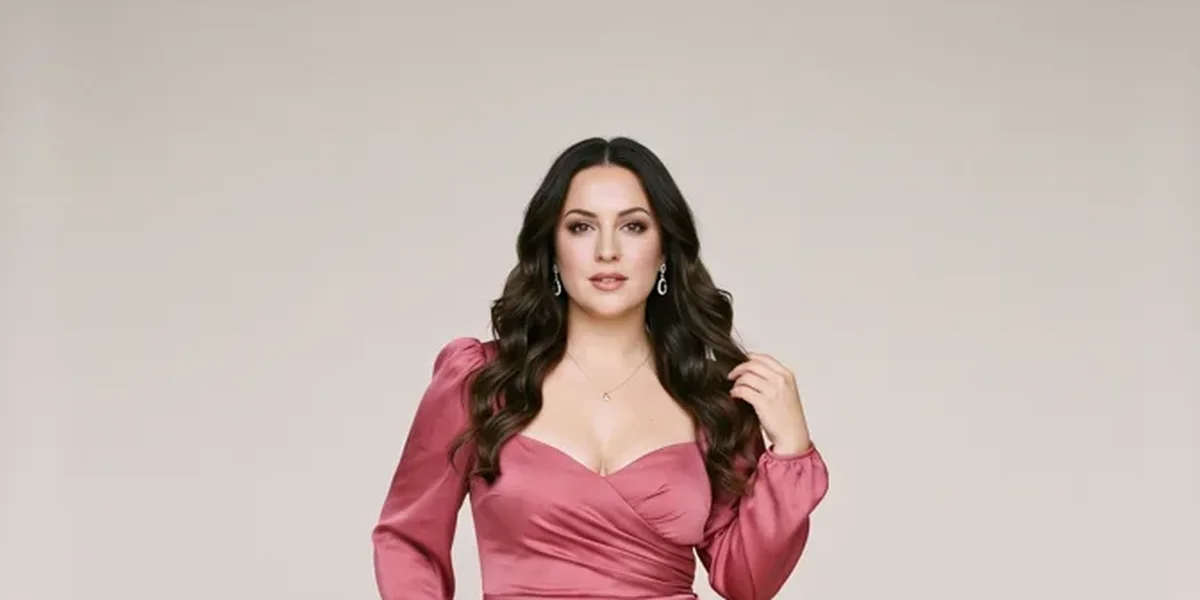
Theatrical Romantic family · What to avoid
Your line runs soft and curved with a sharply defined waist and just a touch of crisp structure at the shoulder — so anything flat, plain, or severely tailored undercuts the very balance that makes the type work. None of the avoids below are arbitrary; each one quietly erases the waist, the sparkle, or the polish that the rest of your look is built around. Kibbe’s balance doctrine holds here too: you’re Yin-dominant with a small Yang undercurrent, so a look should stay lush and feminine first, with only a hint of sharper structure — never structure that takes over. Treat the list as a quick check before you get dressed, not a script to recite.
Straight, tailored, or boxy shapes
Severe silhouettes, traditional blazers, straight skirts, and unconstructed boxy shapes all read as flat on a figure built around a waspish waist and defined curves. A long jacket that hides the waist does particular damage, since your waist is the one line every other piece is designed to showcase.
- Severe, straight, or tailored silhouettes; oversized or unconstructed shapes with no waist.
- Severely tailored or unconstructed boxy jackets; long jackets that hide the waist.
- Traditional tailored skirts (A-lines, pencil styles), wide shapeless skirts, and sharp pleats.
- Straight, tailored pants and blouses with sharp detail; unconstructed shapeless dresses and pants.
- Soft, hourglass lines with a sharply defined waist and crisply padded shoulders.
- Short jackets nipped at the waist, with flouncy peplums.
- Tulip-shaped skirts and soft, draped, tapered pants.
- Feminine, shapely dresses with defined shoulders and waist emphasis.
Stiff, heavy, or dull fabrics
A fabric with no drape or shine works against you on two fronts — it won’t move the way your figure needs it to, and its dullness flattens the shimmer that’s part of your whole effect.
- Stiff or heavyweight fabrics.
- Rough or dull-finished textures.
- Lightweight, drapable fabrics — silk, jersey, challis, crepe, handkerchief linen.
- Plush textures, sheer and shiny fabrics, and fluffy knits like angora and bouclé.
Plain detail and bulky knits
Minimal or overly subdued trim starves a look that’s meant to be intricate and lavish, and a heavy or plain knit erases the waist just as thoroughly as a boxy jacket would.
- Plain or minimal detail; sharp, severe, or crisp “perky” trim.
- Extremely oversized or bulky detail; symmetrical or subdued trim.
- Heavy bulky knits, skinny ribbed knits, plain cardigans, and crew-necked shetlands.
- Intricate, ornate, lavish trim — bows, sheer lace, ruffles, sparkly appliqué.
- Plush, fluffy knits with soft necklines, fitted at the waist and wrists.
Flat, dark, or plain color and print
Head-to-toe darks or head-to-toe neutrals both read as dull rather than dramatic on you, and a monochromatic outfit with no accent leaves out the one vivid note your palette is built around. Geometric or small symmetrical prints, along with stripes and plaids, work the same way — too clipped for a line that wants to swirl.
- Head-to-toe darks or head-to-toe neutrals; monochromatic color schemes.
- Geometrics, small symmetrical prints, “perky” animated styles, stripes, and plaids.
- Bright, lush watercolor or light-motif color, always with a vivid accent.
- Vivid, luscious prints — abstract watercolor blends, wild florals, feathered edges.
Plain or tailored accessories
A basic or boxy accessory reads as an afterthought on a type where jewelry and trim carry real weight in the look. Plain shoes, oversized tailored bags, and a “no jewelry” approach all undersell the polish the rest of your wardrobe is working toward.
- Basic, angular, chunky, or plain shoes.
- Plain, boxy, or oversized tailored bags; stiff, narrow, or slim subdued belts.
- Sharp, man-tailored, floppy, or crisp ethnic-style hats.
- Geometric, chunky, rough, or small symmetrical jewelry; a “no jewelry” look.
- Delicate, strappy shoes with open backs and toes.
- Small, rounded, ornate bags; wide, ornate, bejeweled belts.
- Rounded cocktail hats with veils or ornate trim.
- Intricate, sparkly, baroque jewelry — worn abundantly, never sparingly.
Severe hair, muted haircolor, and plain makeup
Severe or blunt-edged hair, an overly pale or “softened” haircolor, and a bare or smoky face all work against the lavish, glamorous polish this type depends on. The softening instinct in particular backfires here — a muted haircolor reads tired rather than gentle, and minimal makeup reads unfinished rather than restrained.
- Severe styles, geometric or blunt-edged cuts, overly layered or wash ‘n wear hair.
- Overly pale haircolor except platinum; highlights meant to “soften” the look.
- Overly dark shades and heavy contouring; neutral or smoky makeup; minimal, “no-makeup” makeup.
- Lavish, ornate, rounded hair, layered for curve and kept full.
- Rich, vibrant haircolor with a genuinely glamorous base.
- A bright, sparkly, shimmering face with soft blended color throughout.
Want the full picture? Take the quiz to confirm your type, or head back to the Theatrical Romantic hub.
Unofficial guide inspired by the Image Identity system in David Kibbe’s Metamorphosis (1987). Body types describe line, not worth — every type is the goal, not a consolation prize.