Natural Hair & Color Guide
Natural family · Hair & Color
Your cut
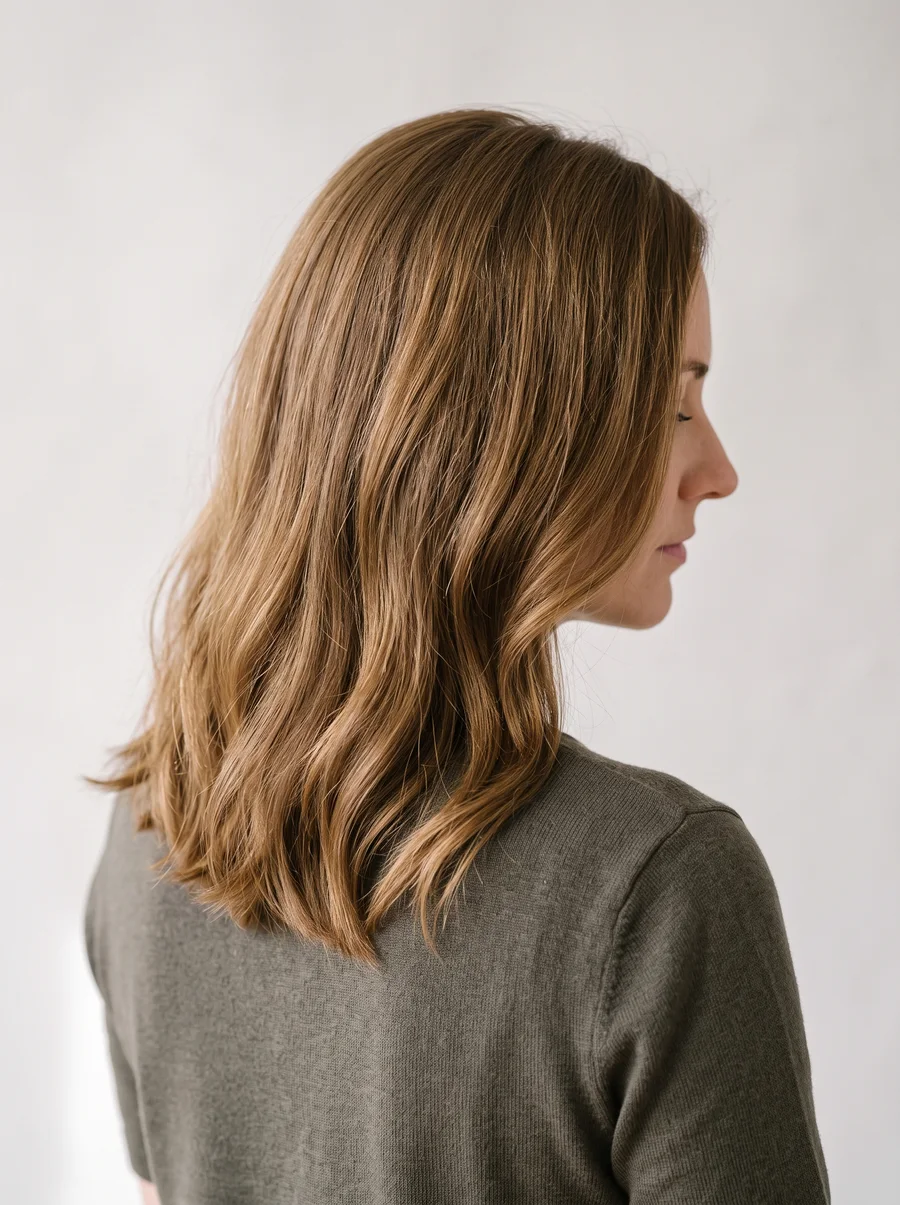
The cut you’re after is loose, tousled, and a little wild — a soft geometric shape with a feathered rather than blunt outline, and layering isn’t optional, it’s what makes the whole thing work. Perms and body waves are completely fair game if you want more texture, and for a big night out, leaning all the way into a full, wild mane is exactly the right instinct rather than too much. The same free, unaffected energy that runs through the rest of the Natural line shows up here first — hair that looks like it was styled by wind and good genetics, not by a strict routine.
A cut that’s too controlled works against you just as much as one that’s too undone. The test isn’t how much time you spent on it — it’s whether the shape still moves when you do.
- Sleek, smooth, or severely geometric shapes.
- Blunt-edged or boyishly cropped cuts.
- Styles that look overly groomed, stuffy, or matronly.
- Ornate, heavily set, or overly teased hair.
Your haircolor
Haircolor should look like it grew that way — a natural-reading shade with genuine shine rather than an obvious process behind it. That single word, natural, is really the whole brief: whatever shade you land on should read like biology, not a bottle. Start from your skin’s undertone, warm or cool, and how much contrast your natural hair color carries against your skin, then find your combination below.
| Warm skin (golden) | Cool skin (blue) | |
|---|---|---|
| High-Contrast | Any shade of Chestnut; Rich Auburn or Mahogany; Rich Copper; Medium Golden Brown; Warm White; cover gray unless totally gray | Black, only if the complexion is olive; Dark Ash Brown with no highlights; Silver or White; may leave gray as it comes in, or cover it |
| Low-Contrast | Light Golden Brown; Rich Honey Blond; Light Auburn; Light Copper; Warm White; cover gray unless totally gray (a few very subtle “sun streaks” optional) | Medium to Soft Ash Brown with subtle Ash lights; Medium to Soft Ash Blond with subtle Ash lights; Silver Gray or Soft White; may leave gray or cover it |
Read the chart by crossing two things you already know about yourself: whether your skin leans golden or blue-based, and whether your natural hair sits close to your skin tone or stands well apart from it. That second axis, contrast, matters as much as undertone — a high-contrast Natural and a low-contrast Natural with the same warm skin end up in two different shade families entirely, one deeper and richer, one lighter and softer.
An overall color process tends to deliver the richness this look wants, more than spot-highlighting on its own. If your natural contrast runs low, a few very subtle sun-streaks can work in your favor — the key word is subtle, since they need to read as time spent outdoors rather than a trip to the salon chair. Changing your whole haircolor calls for real caution: color that reads artificial, or highlighting piled on too heavy, can push the effect toward unsophisticated or matronly rather than fresh.
- Obviously artificial-looking color, or a stark, unblended process.
- Overhighlighting that piles on too much lift.
- A total color overhaul taken on without caution.
Your palette
Clothing color plays by its own rules here, separate from the haircolor chart above. Prints do the heaviest lifting for this type — animal print, paisleys, stripes, loose abstract shapes, plaids — sized moderate to slightly large, the edge kept gently blurred rather than sharply cut; let the coloring inside them run wild and unusual on days you want more voltage, or muted and earthy when you want less. Solids follow one real rule above any other: skip monochromatic dressing unless the fabric itself is richly textured, since a flat, single-tone look is the one place this type falls dull. Outside of that, there’s no wrong combination to reach for.
- Prints — animal print, paisleys, stripes, or loose abstract shapes — sized moderate to slightly large, edges gently blurred rather than crisp.
- Print coloring that swings from wild and unusual to muted and earthy, matched to mood rather than formula.
- A richly textured fabric as the one exception to “no monochromatic looks.”
- Vivids, brights, pastels, and bolds mixed freely — no rule requires them to agree with each other.
Cut, haircolor, and clothing color end up telling the same story from three different angles: nothing here is meant to look labored over.
Want the full picture? Take the quiz to confirm your type, or head back to the Natural hub.
Unofficial guide inspired by the Image Identity system in David Kibbe’s Metamorphosis (1987). Body types describe line, not worth — every type is the goal, not a consolation prize.